You Won’t Believe What Northern Ireland’s Hidden Workshops Are Making
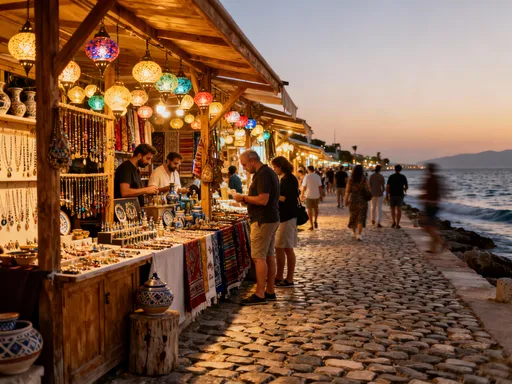
Northern Ireland isn’t just about epic cliffs and Game of Thrones scenery—there’s a quieter, more hands-on magic happening behind the scenes. I’m talking about its niche specialty products, crafted with generations of skill and local soul. From handwoven textiles to small-batch whiskeys, these authentic treasures offer a totally different way to connect with the region. If you're looking for something beyond the guidebooks, this is where the real story begins. These are not mass-produced souvenirs but living expressions of heritage, resilience, and creativity. They reflect centuries of tradition adapted for modern appreciation, where every stitch, sip, and sculpture tells a story. For travelers seeking depth, meaning, and connection, Northern Ireland’s hidden workshops offer an experience that lingers long after the journey ends.
Beyond the Tourist Trail: Discovering Northern Ireland’s Craft Heartbeat
Northern Ireland has long been celebrated for its dramatic coastlines, ancient castles, and literary legends. Yet beyond these well-trodden attractions lies a quieter but equally powerful cultural force: its enduring craft traditions. These are not museum relics but living practices, nurtured in small studios, rural workshops, and family-run enterprises across counties like Antrim, Down, and Tyrone. Here, craftsmanship is not a performance for tourists—it is a way of life, passed down through generations and rooted in the rhythms of the land and sea.
What makes these specialty products so compelling is their authenticity. Unlike generic souvenirs sold at airport kiosks, they carry the imprint of real people, real places, and real stories. A hand-thrown ceramic bowl echoes the colors of the North Atlantic; a bottle of locally distilled gin captures the herbal notes of coastal wildflowers. Each item is a tactile connection to Northern Ireland’s identity, offering travelers a more intimate way to understand the region. This is tourism with purpose—where curiosity leads not just to sightseeing but to meaningful engagement.
The revival of these crafts is also a testament to resilience. Many traditional industries, particularly in textiles and agriculture, faced steep decline during the 20th century due to industrialization and global competition. Yet in recent decades, a quiet renaissance has taken root. Driven by passionate artisans, community support, and renewed consumer interest in authenticity, these crafts are not only surviving but thriving. Government-backed initiatives and cultural organizations have helped preserve endangered skills, while digital platforms allow small producers to reach international audiences. The result is a vibrant ecosystem where heritage meets innovation, and local pride fuels economic sustainability.
The Art of Linen: A Legacy Woven into Everyday Life
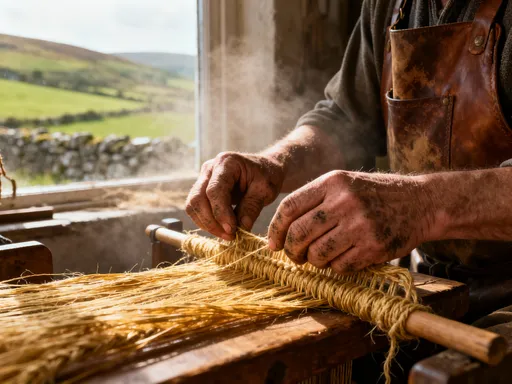
No craft is more emblematic of Northern Ireland than linen. For over 300 years, the region has been synonymous with high-quality flax production and textile weaving. In the 19th century, Belfast earned the nickname “Linenopolis”—a global hub where thousands worked in mills that produced some of the finest linen in the world. At its peak, the industry employed over 70,000 people and exported fabric across Europe and North America. Though the large mills have mostly closed, the legacy lives on in boutique workshops and heritage centers that continue the tradition by hand.
True linen begins in the fields, where flax is grown, harvested, and processed using time-honored methods. The plant thrives in Northern Ireland’s cool, damp climate, producing long, strong fibers ideal for weaving. After harvesting, the stalks undergo retting—a natural decomposition process that separates the fibers—followed by scutching and heckling to prepare them for spinning. This labor-intensive process, once common across rural communities, is now preserved by dedicated artisans who value quality over speed. Some small studios in County Down still grow their own flax, creating fully traceable, farm-to-fabric linen products.
Visitors can witness this craft firsthand at places like the Irish Linen Centre & Lisburn Museum in Lisburn, just outside Belfast. The museum traces the history of linen from its agricultural roots to its industrial heyday, featuring restored looms and interactive displays. Even more immersive are the working studios that offer behind-the-scenes tours and hands-on workshops. At Ballymacool Park in County Donegal—near the Northern Ireland border—guests can try carding, spinning, and weaving under the guidance of master weavers. These experiences are not staged performances but genuine invitations into a centuries-old practice.
Today’s linen artisans are reimagining the fabric for contemporary life. While traditional uses like tablecloths and bed linens remain popular, modern designers are creating scarves, clothing, and even art installations using handwoven materials. The texture, durability, and natural sheen of real linen cannot be replicated by synthetic alternatives, making each piece a lasting investment. By supporting these small producers, travelers contribute directly to the preservation of a cultural treasure that defines Northern Ireland’s industrial soul.
From Still to Sip: Northern Ireland’s Boutique Spirits Scene
If linen represents the region’s historical craftsmanship, its boutique spirits scene reflects a bold new chapter in artisanal excellence. Over the past two decades, Northern Ireland has seen a surge in small-scale distilleries producing high-quality gins, poitín (a traditional Irish spirit), and single malt whiskeys. These are not corporate brands but passion projects, driven by distillers who prioritize local ingredients, traditional methods, and sensory storytelling. Each bottle is a reflection of place—what the French call terroir—shaped by water, grain, and climate unique to the region.
One of the most celebrated examples is Echlinville Distillery in County Antrim, the first legal whiskey distillery in Ireland in over 125 years when it opened in 2017. Located on a working farm, Echlinville follows a grain-to-glass philosophy, growing its own barley, malting it on-site, and using pure spring water from the surrounding hills. Their flagship product, Dunville’s PX Irish Whiskey, has won international acclaim for its rich, sherried finish. Visitors can tour the distillery, observe the copper pot stills in action, and participate in guided tastings that explain the nuances of aging and blending.
Equally notable is Hinch Distillery, set on a historic estate near Hillsborough. This modern facility produces both gin and whiskey, with a focus on sustainability and innovation. Their Hinch Gin features locally foraged botanicals such as wild thyme, elderflower, and sea beet, giving it a distinctly Northern Irish character. The distillery also offers immersive experiences, including cocktail masterclasses and blending workshops where guests create their own custom gin. These interactive elements transform passive tasting into active participation, deepening the connection between maker and consumer.
For those interested in traditional spirits, Shortcross Gin from Rademon Estate is another standout. Produced in a converted farm building, it combines precision engineering with rustic charm. The distillers emphasize seasonality, adjusting botanical blends to reflect the changing landscape. Tastings are held in a cozy on-site bar, where guests learn about the distillation process while enjoying views of the surrounding orchards. These distilleries are not just production sites—they are cultural destinations, where hospitality, education, and craftsmanship converge.
Ceramics with Character: Mud, Fire, and Local Flair
In the quiet villages and coastal towns of Northern Ireland, a ceramic renaissance is unfolding. Independent potters are shaping local clay into functional art that reflects the region’s natural beauty and cultural spirit. Unlike factory-made tableware, these pieces bear the subtle imperfections of the human hand—slight variations in glaze, texture, and form that make each item unique. The process itself is meditative: from wedging the clay to throwing on the wheel, drying, bisque firing, glazing, and final kiln firing, every step requires patience, skill, and attention to detail.
Many ceramic artists draw inspiration directly from their surroundings. Along the Causeway Coast, for example, the rugged basalt columns and stormy seas influence both color palettes and vessel shapes. Glazes may mimic the deep greens of kelp forests, the gray of weathered stone, or the froth of crashing waves. In rural Fermanagh, artists use locally sourced clay, creating pieces that are literally made from the land. Some studios even incorporate ash from native wood into their glazes, adding another layer of regional authenticity.
Studio visits offer one of the most personal forms of cultural tourism. At the Jane Nixon Pottery Studio in County Down, visitors can watch the artist at work, ask questions, and even try their hand at the potter’s wheel under expert guidance. These sessions are not just recreational—they are educational, offering insight into the challenges and rewards of working with clay. The resulting pieces, whether mugs, bowls, or decorative tiles, become cherished keepsakes that carry the memory of the experience.
Other notable ceramic spaces include the Craft Village at Ulster Folk Museum, where traditional techniques are demonstrated in a living history setting, and the annual Crafted at the Cathedral festival in Belfast, which brings together dozens of potters, jewelers, and textile artists. These events allow travelers to meet makers face-to-face, hear their stories, and appreciate the dedication behind each creation. In a world of mass production, such encounters restore faith in the value of slow, intentional making.
Edible Treasures: Small-Batch Foods You Need to Taste
Craftsmanship in Northern Ireland extends far beyond textiles and pottery—it flourishes on the plate as well. A growing network of artisanal food producers is transforming local ingredients into gourmet delights, from creamy farmhouse cheeses to hand-smoked fish and small-batch preserves. These are not industrial products but labors of love, made in limited quantities with meticulous care. They reflect a deep respect for seasonality, sustainability, and flavor integrity, offering travelers a delicious way to engage with the region’s agricultural heritage.
One of the most celebrated producers is Knockdrinna Farmhouse Cheese in County Fermanagh. Nestled in the lakelands, this family-run operation uses milk from their own herd of goats to create award-winning cheeses like “Goatsbridge” and “Lough Erne.” The mild, tangy flavors develop through careful aging in natural caves, where humidity and temperature are perfectly balanced. Visitors can tour the farm, meet the animals, and sample fresh cheese paired with local honey and bread. Such experiences highlight the farm-to-table journey in its purest form.
Another standout is H. Boyd & Son, a fourth-generation smokehouse in Portavogie, County Down. Specializing in oak-smoked salmon from the River Bann and nearby coastal waters, the company uses traditional cold-smoking methods that preserve the fish’s delicate texture and rich flavor. The process takes days, with each batch carefully monitored to ensure consistency. Their smoked eel and mackerel are also gaining recognition for their depth of taste and sustainable sourcing practices. At farmers’ markets in Belfast and Derry, visitors can purchase these products directly from the producers, often accompanied by recipe suggestions and serving tips.
Other notable food artisans include Fivemiletown Creamery, known for its blue and cheddar cheeses made with milk from local farms, and Ballylisk of Armagh, which produces gourmet preserves using fruits grown in the region’s fertile orchards. Seasonal offerings like damson jam, elderberry syrup, and sloe gin reflect the rhythm of the countryside. These products are not only delicious but also support rural economies, helping small farms and producers remain viable in a competitive market. For the conscious traveler, purchasing them is an act of cultural preservation as much as culinary indulgence.
How to Find These Gems: Practical Tips for Curious Travelers
Discovering Northern Ireland’s hidden workshops requires a shift in mindset—from ticking off landmarks to seeking out authentic encounters. The good news is that the infrastructure for craft tourism is growing. Regional tourism boards, cultural organizations, and local cooperatives have developed resources to help visitors connect with artisans. One of the best starting points is the Ulster Folk Museum in Cultra, which not only showcases traditional crafts but also hosts live demonstrations and seasonal craft fairs. Its reconstructed village offers a window into pre-industrial life, where skills like spinning, blacksmithing, and baking are performed in real time.
Another valuable resource is the Northern Ireland Craft Trail, an online directory that maps independent studios, galleries, and makers across the region. It allows travelers to plan routes based on interest—whether textiles, ceramics, food, or spirits—and includes opening hours, contact details, and visitor information. Similarly, the Causeway Coast & Glens Hidden Heartlands initiative promotes off-the-beaten-path experiences, including studio visits, farm tours, and hands-on workshops. These programs are designed to distribute tourism benefits beyond major attractions, supporting rural communities and reducing pressure on popular sites.
Guided maker tours are another excellent option. Companies like Craft Northern Ireland and Made in Belfast offer curated itineraries that include behind-the-scenes access to workshops, meetings with artisans, and opportunities to try making something by hand. These tours are led by knowledgeable locals who provide context and storytelling, enriching the experience. For independent travelers, visiting farmers’ markets—such as the St. George’s Market in Belfast or the Derry Craft & Food Market—is a great way to meet producers and sample their goods. Many vendors are happy to share their stories and recommend nearby studios to visit.
When planning a trip, consider timing and transportation. Late spring through early autumn offers the best weather for rural exploration, while many studios and distilleries operate on seasonal hours. Having a car provides the most flexibility, as many craft locations are in remote areas with limited public transport. However, some distilleries and museums are accessible by bus or train from Belfast. Regardless of how you travel, the key is intentionality: slow down, ask questions, and choose experiences that align with your values. Look for signs of authenticity—products made on-site, makers who speak passionately about their work, and businesses that emphasize sustainability and community impact.
Why This Kind of Travel Matters: Connecting Through Craft
At its core, craft-based tourism is about connection—between people, places, and traditions. When travelers seek out handmade linen, sip locally distilled whiskey, or shape clay on a potter’s wheel, they are not just consuming a product; they are participating in a story. They become part of a continuum that stretches back generations, where skills are preserved not in textbooks but in living practice. This kind of engagement transforms tourism from a passive activity into a reciprocal exchange, where visitors give as much as they receive: attention, appreciation, and support.
Supporting local artisans has tangible benefits. It sustains small businesses, keeps traditional skills alive, and strengthens community identity. In rural areas where economic opportunities may be limited, craft enterprises provide livelihoods and inspire pride. Every purchase becomes a vote for sustainability, authenticity, and cultural continuity. Moreover, these interactions foster mutual understanding—travelers gain insight into Northern Ireland’s heritage, while makers feel valued and heard. Such moments of human connection are increasingly rare in our fast-paced, digital world, making them all the more precious.
There is also a deeper emotional reward. In a society that often prioritizes speed and convenience, engaging with slow, deliberate craftsmanship offers a sense of grounding. It reminds us of the beauty in imperfection, the dignity of manual labor, and the value of patience. A handwoven scarf, a hand-thrown mug, or a bottle of small-batch gin becomes more than an object—it becomes a vessel of memory, carrying the essence of a place and the warmth of human touch. These are the souvenirs that truly endure, not because of their monetary value, but because of the stories they hold.
As tourism continues to evolve, the demand for meaningful, responsible experiences will only grow. Northern Ireland’s hidden workshops offer a model for how travel can be both enriching and ethical—where curiosity leads to connection, and every journey leaves a positive footprint. So the next time you plan a trip, look beyond the postcard views. Seek out the makers, the storytellers, the quiet creators working behind the scenes. Because in their hands lies the true spirit of Northern Ireland—resilient, creative, and deeply human.