You Won’t Believe How This Coastal Town Redefines Urban Cool
Napier, New Zealand, hits you like a burst of sunlight after rain—vibrant, unexpected, and full of life. Destroyed by an earthquake in 1931 and rebuilt in Art Deco style, this seaside city blends history, design, and coastal charm like nowhere else. I walked its geometric streets, sipped local wine with ocean views, and realized urban spaces can feel both stylish and soulful. It’s not just a destination; it’s a mood. If you think cities have to be loud and overwhelming, Napier will flip your script.
The Day the Earth Shook: Napier’s Transformation Story
On February 3, 1931, the Hawke’s Bay region was struck by one of New Zealand’s deadliest natural disasters—a magnitude 7.8 earthquake that lasted less than two minutes but altered history. In Napier, the ground heaved violently, gas lines ruptured, and fires raged unchecked for days. With water mains destroyed, firefighters could do little as entire blocks turned to ash. By sunrise, more than 250 people had lost their lives, and the city center lay in ruins. What emerged from the rubble, however, was not just reconstruction—but reinvention.
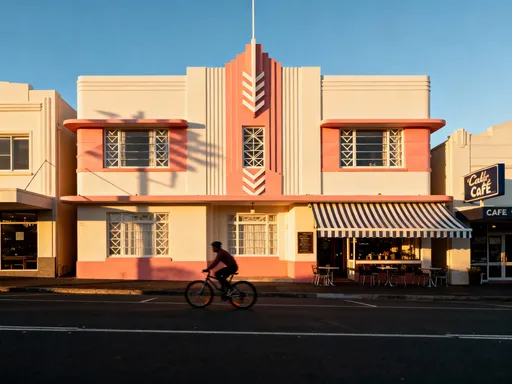
With most of the old Victorian and Edwardian buildings gone, city planners and architects faced a rare opportunity: to build anew. They chose the prevailing design language of the era—Art Deco, a style symbolizing modernity, optimism, and progress. Drawing inspiration from cities like Miami and New York, yet adapting it to local conditions, Napier’s architects created a cohesive urban vision. The result was a cityscape defined by clean lines, stepped facades, sunburst motifs, and stucco finishes in soft creams, corals, and ocean blues. This was not mimicry, but a thoughtful reinterpretation of 1930s aesthetics, tailored to a Pacific coastline.
The rebuild was guided by more than style. Engineers widened streets to prevent fire spread, introduced modern drainage, and incorporated open plazas and parks for public safety and recreation. These decisions, made nearly a century ago, now underpin Napier’s walkability and resilience. Today, the city boasts one of the most concentrated collections of Art Deco architecture in the world. It’s not merely preserved behind glass—it lives, breathes, and functions as a modern urban center. The past isn’t frozen here; it’s woven into daily life.
Walking Through a Living Design Museum
Start a morning walk along Tennyson Street as the sun rises behind the hills, casting golden light across smooth, curved walls. The city awakens slowly, with the scent of freshly baked bread drifting from corner bakeries and the soft chime of bicycle bells echoing down quiet lanes. Napier’s central business district feels less like a commercial zone and more like a curated open-air gallery, where every turn reveals a new detail—a zigzag frieze, a stylized fern carved into stone, or a streetlamp shaped like a flaming torch. These are not mere decorations; they are threads in a larger design narrative.
What makes Napier extraordinary is how its architectural themes unfold gradually. The central district leans heavily into pure Art Deco, with buildings like the Hawke’s Bay Hotel and the Daily Telegraph Building showcasing symmetrical forms and bold geometric reliefs. Move a few blocks east, and the style shifts toward Classical Moderne, where columns and pediments blend with streamlined surfaces. Further south, traces of Spanish Mission architecture appear—arched walkways, red-tiled roofs, and wrought-iron grilles—adding warmth and texture to the streetscape. This diversity within a compact area creates a dynamic rhythm, as if each neighborhood tells a different chapter of the same story.
But Napier’s charm isn’t only visual. It’s felt in the quiet hum of daily life—the barista handing over a flat white with a smile, the elderly couple feeding pigeons in Memorial Park, the soft rustle of palm trees along Marine Parade. The city’s scale allows for intimacy. You don’t just see the architecture; you experience it through touch, sound, and movement. Sun-warmed stucco, the shadow play of chevron patterns at midday, the cool relief of shaded arcades—these sensory layers make the urban environment deeply human. Design here doesn’t dominate; it invites.
The Waterfront as Urban Heartbeat
If Napier’s streets are its bones, the waterfront is its pulse. Marine Parade stretches along the curved bay, a broad promenade lined with pohutukawa trees that burst into crimson bloom each summer. This is where locals gather—joggers in the early light, families flying kites on weekends, cyclists gliding along the shared path that connects Napier to neighboring Taradale and Ahuriri. The sea acts as both mirror and moderator, reflecting the sky’s moods and tempering the inland heat. It’s impossible to feel rushed here; the rhythm of the tide sets the pace.
The Napier Marina anchors the eastern end of the waterfront, a working harbor where fishing boats tie up beside pleasure craft. Nearby, the CentrePort facility supports regional trade, yet its presence is low-profile, integrated rather than intrusive. This balance between function and beauty is key. Unlike many cities where industrial zones create barriers, Napier’s port area includes public walkways, viewing platforms, and seasonal markets. Visitors can watch container ships maneuver while sipping coffee at a waterside kiosk—an unlikely harmony of commerce and community.
Just beyond the marina, Bluff Hill Reserve offers one of the region’s most rewarding short hikes. The trail climbs gently through native bush, opening to panoramic views of Hawke Bay. On clear days, the curve of the coastline stretches for miles, with vineyards and orchards fanning inland. This proximity to nature isn’t accidental. Urban planners ensured that green corridors and elevated lookouts remained accessible, providing mental reset points amid daily routines. For residents and visitors alike, the sea and surrounding hills are not escapes—they are integral to the city’s identity.
Small-Town Rhythm, Big-City Flair
Napier moves at a pace that feels both relaxed and intentional. There’s no rush-hour gridlock, no deafening traffic roar, no sense of being just another face in the crowd. Yet this calm doesn’t mean stagnation. The city pulses with cultural energy, especially during events like the biennial Art Deco Festival, when the entire town transforms into a living tribute to its heritage. Locals dress in 1930s attire, vintage cars cruise the boulevards, and music fills the air from street performers and pop-up jazz bands. It’s a celebration that draws tens of thousands—but never loses its neighborhood warmth.
This blend of intimacy and vibrancy is evident in Napier’s small businesses. Heritage buildings once used as banks or post offices now house artisan cafés, craft breweries, and independent galleries. A former telegraph office might contain a boutique selling handmade ceramics; a restored cinema lobby could host a weekly farmers’ market. These adaptive reuses preserve history while supporting local entrepreneurship. Shop owners know their customers by name, and recommendations come with personal stories—“Try the sauvignon blanc from that vineyard up the road; the owner’s daughter went to school with my niece.”
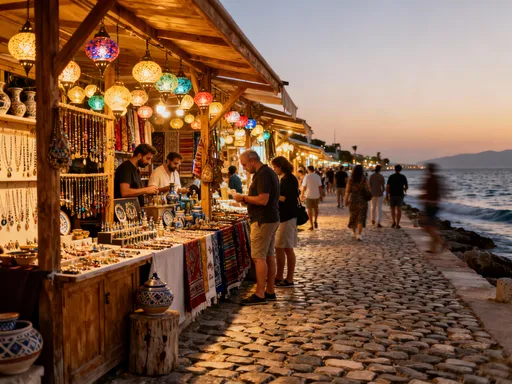
Urban culture here feels inclusive. There’s no pretense, no gatekeeping. Whether you’re sipping espresso at a sidewalk table or browsing handwoven textiles at a craft fair, the atmosphere is one of shared pride. Tourism supports the economy, but it doesn’t overshadow community life. Events are designed for both locals and visitors to enjoy, reinforcing a sense of belonging. In a world where many cities struggle with alienation and inequality, Napier offers a model of urban life that feels grounded, connected, and authentic.
Smart Scaling: How Size Enhances Experience
With a population of approximately 65,000, Napier is small by global standards—but its size is its strength. Visitors can explore the city center, waterfront, and nearby reserves without ever feeling overwhelmed. Most key attractions are within a 20-minute walk of each other, and a bike rental can extend that range effortlessly. This compactness encourages exploration on foot or by bicycle, reducing reliance on cars and minimizing congestion. The city’s layout, shaped by post-earthquake planning, features wide, tree-lined avenues and generous footpaths, making navigation intuitive and pleasant.
Transportation policies reflect this human-centered approach. Designated pedestrian zones in the CBD limit vehicle access during peak hours, creating safer spaces for shoppers and diners. On-street parking is managed efficiently, with timed zones and clear signage to prevent frustration. A local bike-sharing program, though modest, supports eco-friendly mobility, especially along the waterfront trail. Public buses connect suburbs with the center, but many residents choose to walk or cycle for short trips—a testament to the city’s accessibility.
This thoughtful infrastructure allows for deeper engagement. Instead of racing from landmark to landmark, visitors can linger—reading a plaque on a historic building, chatting with a vendor at the market, or pausing to watch the sunset over the bay. There’s no pressure to “see it all,” because the experience isn’t about checklist tourism. It’s about immersion. Urban fatigue, so common in larger cities, is rare here. Napier doesn’t demand energy; it restores it.
Taste of Place: Food, Wine, and Urban Identity
No visit to Napier is complete without tasting its terroir. Hawke’s Bay is one of New Zealand’s premier wine regions, known for rich reds like syrah and merlot, as well as crisp aromatic whites. The fertile soils also yield exceptional stone fruit, apples, and vegetables—ingredients that define the local cuisine. Restaurants and cafés across the city emphasize seasonal, regional sourcing, turning meals into expressions of place. A simple lunch might include slow-roasted lamb from a nearby farm, served with apricots from a family orchard and a glass of estate-grown chardonnay.
One standout example is the Napier Farmers’ Market, held every Sunday at the War Memorial Park. Stalls overflow with fresh produce, artisan cheeses, handmade preserves, and wood-fired bread. The air carries the scent of roasting coffee and grilled sausages. Musicians play in the background, and children chase bubbles between tents. This isn’t just a shopping destination—it’s a weekly gathering that strengthens community ties and celebrates local abundance. For visitors, it’s a direct connection to the region’s agricultural heart.
Wine trails extend beyond the city, with dozens of vineyards within a 20-minute drive. Many offer tastings, cellar door sales, and vineyard restaurants. Some, like Mission Estate Winery—one of the country’s oldest—also host concerts and cultural events, blending leisure with heritage. Even within Napier, wine culture is visible: boutique bars specialize in Hawke’s Bay vintages, and wine-themed walking tours guide guests through hidden courtyards and rooftop terraces. Flavor, in this city, is not incidental. It’s part of the urban fabric.
Lessons from Napier: Reimagining Urban Living
Napier’s story offers quiet but powerful lessons for cities worldwide. It proves that resilience isn’t just about recovery—it’s about vision. After devastation, the people of Napier didn’t simply rebuild; they reimagined. They chose beauty, functionality, and human scale over speed and uniformity. Today, their city stands as a testament to intentional design—where aesthetics serve community, and history enhances modern life rather than constraining it.
As urban centers grapple with overcrowding, pollution, and social fragmentation, Napier demonstrates that size isn’t the key to success. What matters is coherence—how streets, buildings, nature, and people fit together in a way that feels natural and nourishing. Green spaces are not luxuries but necessities. Walkability isn’t a trend but a foundation. Culture isn’t confined to museums but lives in streets and markets. These principles aren’t revolutionary, but their consistent application is rare.
Perhaps most importantly, Napier reminds us that cities should bring joy. Too many urban environments prioritize efficiency over emotion, concrete over connection. But here, sunlight dances on stucco walls, the sea breeze carries laughter from the promenade, and every corner seems to whisper, “Stay a while.” It’s a place where design doesn’t impress—it welcomes.
So if you’re searching for a different kind of city—one that balances style with soul, history with innovation, and calm with vitality—consider Napier. Visit not just to see a unique architectural gem, but to feel what urban life can be when it’s built with care, heart, and a little coastal light. Let its quiet confidence inspire your own sense of possibility. After all, the future of cities might not be found in skyscrapers or subways—but in a seaside town that rebuilt itself with grace, one sunlit street at a time.