You Won’t Believe What I Found Shopping During Accra’s Festival Fever
Accra pulses with energy when festival season hits—markets buzz, colors explode, and shopping becomes an adventure. I never expected culture and commerce to blend so perfectly. From handwoven kente stalls to pop-up design boutiques, every purchase tells a story. This is more than retail—it’s a rhythm, a tradition, a living celebration. If you think shopping in Accra is just bargaining for souvenirs, you’re missing half the magic. Let me show you why it’s unforgettable.
The Pulse of Festival Shopping in Accra
Festival season in Accra transforms the city into a vibrant stage where commerce and culture perform in harmony. When events like Homowo, Chale Wote, or the Accra Arts Festival take place, the streets come alive with music, dance, and a surge of creative energy that spills directly into the shopping experience. These festivals are not just performances for tourists—they are deeply rooted in Ghanaian heritage, marking harvests, ancestral remembrance, and community unity. As such, they attract locals and visitors alike, turning markets into dynamic spaces where tradition is both preserved and reimagined.
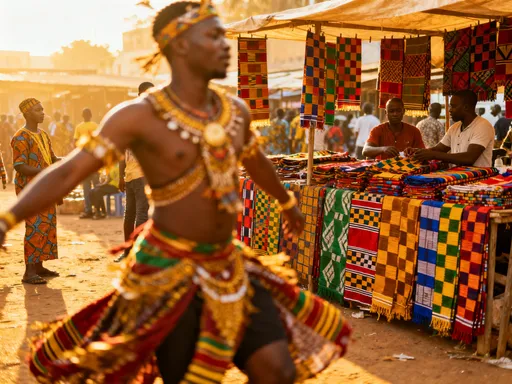
During these times, shopping in Accra transcends the ordinary. Temporary artisan stalls emerge overnight in public squares, artists display their work on sidewalks, and fashion designers unveil limited-edition collections inspired by the season’s themes. The city’s rhythm changes—slower in some places, where elders recount stories behind traditional symbols, and faster in others, where youth dance to highlife beats between vendor tents. This blend of movement, sound, and visual richness creates a sensory journey that no mall can replicate.
What makes festival shopping particularly special is its authenticity. Unlike year-round tourist markets that may prioritize mass appeal, festival vendors often create pieces specifically for the occasion—hand-dyed fabrics with symbolic patterns, jewelry cast from recycled metals, or garments stitched with ancestral motifs. These items carry meaning, not just aesthetic value. For the discerning shopper, especially those who value cultural depth and craftsmanship, timing a visit to coincide with a festival offers access to a more genuine and immersive retail experience.
Moreover, festivals foster community participation. You’re not just observing a culture—you’re invited to engage with it. A weaver might explain how kente patterns represent proverbs, or a potter could demonstrate how clay is sourced from local riverbeds. These interactions enrich the act of buying, turning it into a form of cultural exchange. For families and women travelers, particularly those interested in textiles, storytelling, and handmade artistry, this connection adds emotional weight to every purchase.
Makola Market: Where Tradition Meets Bustling Commerce
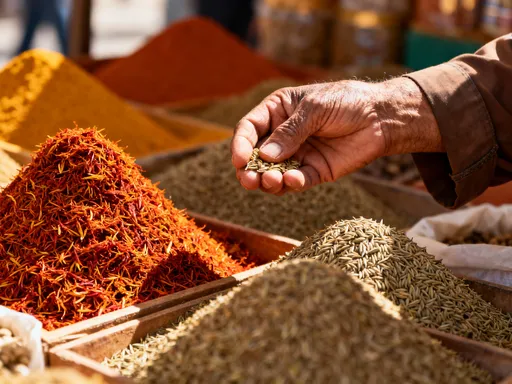
No exploration of Accra’s shopping culture is complete without a visit to Makola Market, one of the city’s oldest and most iconic commercial centers. Located in the heart of downtown, Makola has been a hub of trade for over a century, serving as a daily marketplace for locals and a treasure trove for curious visitors. During festival seasons, its energy intensifies—vendors expand their displays, new stalls appear in narrow alleyways, and the air thickens with the scent of spices, ripe mangoes, and freshly ground shea butter.
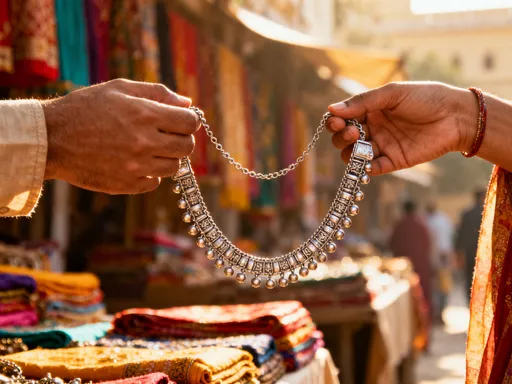
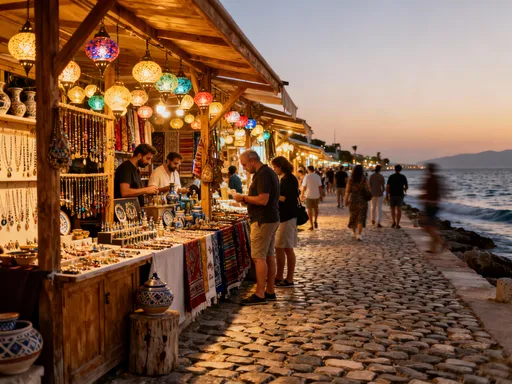
Walking through Makola is an experience for all the senses. The sounds of haggling, drumming from nearby performances, and street vendors calling out their wares blend into a lively urban symphony. Brightly colored bolts of kente and smock cloth hang like tapestries from wooden beams, while baskets overflow with hand-carved wooden masks, beaded jewelry, and woven baskets. It’s here that you’ll find some of the most authentic representations of Ghanaian craftsmanship—items made not for export, but for everyday use and celebration within the community.
For the thoughtful shopper, Makola offers more than just products—it offers insight. A woman selling Adinkra-stamped fabric might explain how the symbols represent wisdom, protection, or unity. A vendor offering organic black soap could describe its ingredients: shea butter, plantain ash, and coconut oil, all locally sourced and traditionally prepared. These moments of conversation deepen understanding and help buyers make intentional choices, ensuring that their purchases support local livelihoods and cultural preservation.
Navigating Makola requires preparation, especially for first-time visitors. The market is vast and can be overwhelming, with narrow pathways and dense crowds. To make the most of your visit, arrive early in the morning when the heat is mild and the market is less congested. Wear comfortable shoes and carry a small bag—pickpocketing can occur in crowded areas, so it’s wise to keep valuables secure. Bargaining is expected, but it should be done respectfully. Start by asking the price, then offer slightly less, and be prepared to meet in the middle. Smiling and greeting vendors in basic Twi phrases like “Maakye” (good morning) can go a long way in building rapport.
Artsy Vibes at the Chale Wote Street Art Festival
Each year, the Chale Wote Street Art Festival transforms Jamestown, one of Accra’s oldest neighborhoods, into a sprawling open-air gallery and creative marketplace. What began as a grassroots gathering of artists has grown into one of West Africa’s most anticipated cultural events, drawing thousands who come to see murals painted on colonial walls, performance art in public squares, and fashion shows on the beach. But beyond the spectacle, Chale Wote offers a unique shopping experience rooted in innovation and authenticity.
Unlike traditional markets, Chale Wote features independent designers, illustrators, and upcycled fashion creators who use the festival as a platform to launch limited-run collections. You might find sandals hand-painted with abstract motifs, jackets stitched from repurposed kente scraps, or earrings shaped like miniature talking drums. These pieces are not mass-produced—they are artistic expressions, often one-of-a-kind, that reflect both contemporary style and cultural pride.
What sets Chale Wote apart is its emphasis on community and creative freedom. Many vendors are young Ghanaians using art to comment on social issues, celebrate identity, or experiment with new forms. A designer might sell T-shirts printed with proverbs in Ga script, while a ceramicist offers bowls glazed with patterns inspired by traditional pottery. Buying from these artists isn’t just a transaction—it’s an investment in local talent and cultural evolution.
For women travelers interested in fashion, art, and sustainability, Chale Wote is a source of inspiration. The festival promotes eco-conscious practices, with many vendors using recycled materials or natural dyes. You’ll see bags made from old banners, jewelry crafted from melted-down bottle caps, and garments dyed with indigo using age-old techniques. This blend of environmental awareness and cultural expression resonates deeply with those who value ethical consumption and meaningful design.
Design Districts: From Ussher Fort Pop-Ups to Adom Streetwear
While traditional markets and street festivals offer raw, unfiltered access to Ghanaian craftsmanship, Accra’s newer design districts provide a more curated shopping experience—one that bridges heritage and modernity. In neighborhoods like Osu and Jamestown, historic buildings are being repurposed into creative hubs, hosting pop-up boutiques, art galleries, and fashion showcases during festival seasons. These spaces attract a new generation of designers who honor tradition while embracing urban aesthetics.
One notable example is the use of Ussher Fort, a UNESCO-recognized site, as a venue for cultural exhibitions and designer markets. During festivals, the fort’s courtyards come alive with displays from brands like AAKS, known for its handwoven raffia bags, and Studio One Eighty Nine, which blends African textiles with global fashion silhouettes. These brands often release special collections during festival periods, featuring bold colors, symbolic prints, and sustainable materials.
Another rising name is Adom Streetwear, a locally owned label that fuses Ghanaian symbols with contemporary streetwear. Their festival collections might include hoodies printed with Adinkra motifs or caps embroidered with phrases in Twi. These items appeal to younger shoppers but also resonate with older women who appreciate the cultural messaging behind the designs. By shopping at these boutiques, visitors support businesses that are reinvesting in local communities, training artisans, and promoting fair labor practices.
The appeal of these design districts lies in their balance of authenticity and accessibility. They offer a comfortable, well-lit environment for those who may find open-air markets overwhelming, while still maintaining a strong cultural identity. Labels clearly explain the origins of materials and the meaning behind patterns, allowing shoppers to make informed choices. For family travelers or those with limited time, these curated spaces provide a streamlined yet meaningful way to engage with Ghanaian creativity.
What to Buy (and What to Skip)
With so many options, knowing what to buy—and what to avoid—can make all the difference in creating a meaningful shopping experience. The most valuable purchases are those that are handmade, culturally significant, and sourced directly from artisans. Hand-stamped Adinkra cloth, for example, carries symbolic messages: Gye Nyame for faith, Sankofa for learning from the past, and Dwennimmen for humility. When you buy such fabric, you’re not just acquiring a material—you’re embracing a philosophy.
Carved wooden masks, often used in traditional ceremonies, make powerful decorative pieces, especially when purchased from reputable carvers who respect cultural protocols. Organic black soap, made from natural ingredients and traditionally used for skin and hair care, is another excellent choice—practical, sustainable, and widely appreciated. Festival-programmed music albums, available on USB drives or vinyl at some stalls, offer a sonic souvenir of your trip, featuring highlife, hiplife, or gospel tracks performed live during celebrations.
Equally important is knowing what to skip. Near major tourist sites, you’ll find vendors selling mass-produced kente cloth imported from Asia, machine-made beads with no cultural context, or wooden figurines carved without regard for their original ceremonial significance. These items may be cheaper, but they lack authenticity and often undercut local artisans. To avoid them, look for signs of handmade craftsmanship: slight imperfections in stitching, natural variations in dye, or the presence of the artisan at the stall.
Understanding fair pricing is also crucial. While bargaining is part of the culture, it should not come at the expense of the seller’s livelihood. A good rule of thumb is to ask locals or hotel staff for price benchmarks before negotiating. For example, a small handwoven basket might reasonably cost between 30 and 50 Ghanaian cedis, while a full-length kente cloth could range from 200 to 500 cedis depending on complexity. Paying fairly ensures that your purchase supports sustainable craftsmanship rather than exploitative production.
Beyond the Purchase: The Cultural Exchange of Shopping
Shopping in Accra during festival season is about more than acquiring objects—it’s about participating in a living culture. Every transaction has the potential to become a moment of connection. You might stand beside a grandmother weaving kente on a wooden loom, listening as she describes how each color represents a family value. Or you might chat with a dancer who, between performances, sells beaded necklaces she made during the week. These interactions transform shopping from a commercial act into a shared human experience.
For many visitors, especially women who value storytelling and emotional resonance, these conversations are the most lasting souvenirs. A simple question—“What does this pattern mean?”—can open a dialogue that deepens cultural understanding. Elders often welcome the opportunity to pass on knowledge, and artisans appreciate when buyers show genuine interest in their craft. In these moments, you’re not just a customer; you’re a participant in cultural preservation.
This form of shopping also supports economic empowerment, particularly for women artisans who make up a significant portion of the market workforce. By choosing to buy directly from them, you contribute to household incomes, education for children, and community development. Many cooperatives, especially in rural areas, supply goods to Accra’s markets, creating a ripple effect that extends far beyond the city. Your purchase, no matter how small, becomes part of a larger story of resilience and creativity.
Moreover, taking home a handmade item serves as a daily reminder of this connection. A scarf worn months later can spark a memory of laughter in a market, the smell of roasting plantains, or the sound of drumming in the distance. These objects become vessels of experience, carrying not just beauty but meaning. In a world of fast fashion and disposable goods, such items stand as testaments to intentionality and care.
Planning Your Festival Shopping Trip: Timing, Transport & Tips
To fully enjoy Accra’s festival shopping scene, careful planning is essential. The timing of your visit can make or break the experience. Major festivals like Homowo typically occur between July and August, while Chale Wote takes place in June or July, depending on the year. The Accra Arts Festival and Independence Day celebrations in March also draw large crowds and vibrant markets. Checking local event calendars in advance ensures you don’t miss these peak moments of cultural activity.
Accommodation plays a key role in accessibility. Staying in neighborhoods like Osu or Jamestown puts you within walking distance of many festival events and markets. Osu, in particular, offers a mix of boutique hotels, guesthouses, and Airbnb options, many of which cater to international visitors. These areas are generally safe, well-lit, and close to restaurants serving local and international cuisine. For families, choosing a place with secure parking and 24-hour staff can add peace of mind.
Transportation in Accra can be chaotic, but options are improving. Ride-hailing apps like Uber and Bolt operate reliably in the city and are often safer than hailing taxis on the street. For festival days, consider hiring a driver for the day—they can navigate traffic, help with purchases, and provide local insights. Public transport, such as tro-tros (minibuses), is affordable but can be crowded and confusing for newcomers.
When shopping, remember that most vendors operate on a cash-only basis. Carry Ghanaian cedis in small denominations for easier transactions. ATMs are widely available, but it’s wise to withdraw cash during daylight hours and in secure locations. Dress modestly and comfortably—light, breathable fabrics work best in the heat, and closed-toe shoes are recommended for walking on uneven surfaces. Avoid flashy jewelry or exposed electronics to minimize attention from petty thieves.
Finally, approach your trip with curiosity rather than a rigid shopping list. Let the city guide you. Follow the sound of drums, stop at a stall that catches your eye, and allow time for unplanned conversations. The most memorable finds often come from moments of spontaneity. By embracing the rhythm of Accra’s festival life, you open yourself to an experience that is rich, rewarding, and deeply human.
Shopping in Accra during festival season isn’t just about what you bring home—it’s about the rhythm you absorb, the people you meet, and the culture you engage with. Each market stall is a chapter in Ghana’s living story. When you buy with intention, you don’t just take a souvenir; you carry a piece of celebration forward. Let your next trip be led not by malls, but by music, color, and the heartbeat of the street.