You Won’t Believe What I Found at Bodrum’s Summer Festivals
Bodrum, Turkey, isn’t just sun and sea—it’s a shopping paradise wrapped in vibrant festival culture. I never expected to find handmade treasures, local designers, and open-air markets buzzing with music and energy. From twilight bazaars to coastal pop-ups, shopping here feels alive. It’s not about souvenirs; it’s about stories woven into every scarf, ceramic, and silver pendant. Let me take you where commerce meets celebration, where the rhythm of traditional music guides your steps from stall to stall, and every purchase carries the warmth of human craftsmanship. In Bodrum, shopping is not a transaction—it’s a conversation with culture.
The Pulse of Festival Shopping in Bodrum
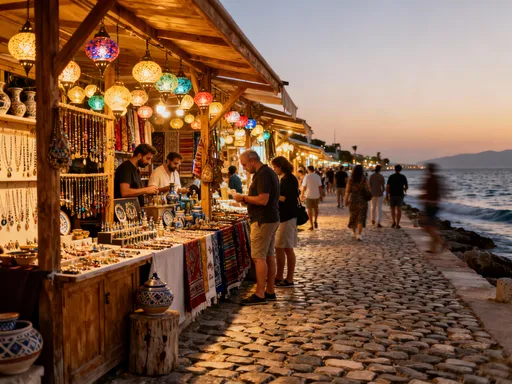
Bodrum’s summer festivals transform the coastal town into a living canvas of color, sound, and scent. As the sun dips below the Aegean Sea, the streets pulse with life—musicians tune their saz and darbuka, the aroma of grilled fish and spiced simit fills the air, and market stalls unfold like petals under string lights. This is not retail as usual. Festival shopping in Bodrum is a multisensory experience, deeply rooted in Turkish tradition and community spirit. Unlike sterile shopping malls or generic tourist kiosks, these markets offer an authentic glimpse into local life, where artisans, farmers, and performers gather not just to sell, but to share.
The energy of these festivals stems from centuries-old customs of communal gathering and seasonal celebration. In Turkey, festivals have long served as economic and cultural lifelines, connecting rural producers with urban consumers and visitors alike. In Bodrum, this tradition thrives during the summer months, when both locals and tourists flood the promenades and squares. The festivals are not staged for tourists—they are real, organic expressions of regional pride. Vendors display goods they’ve crafted or grown themselves, from hand-dyed silks to sun-ripened figs, and their presence adds depth and credibility to the shopping experience.
What sets festival shopping apart is its authenticity. You won’t find plastic trinkets stamped with fake Turkish motifs here—at least not in the heart of the real markets. Instead, you’ll encounter artisans who speak passionately about their work, who demonstrate weaving techniques passed down through generations, or who serve you tea while explaining the origins of a ceramic pattern. This human connection transforms shopping from a passive act into an active cultural exchange. It’s why so many visitors leave not just with bags full of goods, but with memories of conversations, laughter, and unexpected kindness.
Must-Visit Festival Markets: Where Culture Meets Commerce
If you’re exploring Bodrum during the summer, timing your visit around key festivals can elevate your experience from pleasant to unforgettable. Among the most celebrated is the Bodrum International Art Festival, a month-long event that brings together visual artists, musicians, dancers, and craftspeople from across Turkey and beyond. Held in open-air venues throughout the town—from the ancient theater to seaside plazas—the festival creates a dynamic backdrop for shopping. Artisans set up near performance spaces, allowing visitors to browse handcrafted jewelry, textiles, and ceramics while listening to live Turkish classical music or watching folk dances.
Equally rewarding are the local harvest fairs, which celebrate the region’s agricultural abundance. In late July and August, markets spring up in neighborhoods like Gümüşlük and Yalıkavak, showcasing seasonal produce such as olives, capers, and citrus, alongside handmade soaps, olive oil, and preserves. These fairs often include cooking demonstrations, where local women prepare traditional Aegean dishes using ingredients from their own gardens. The atmosphere is warm and inclusive, with children running between stalls and elders sipping tea under shaded canopies. Shopping here feels less like commerce and more like participation in a community ritual.
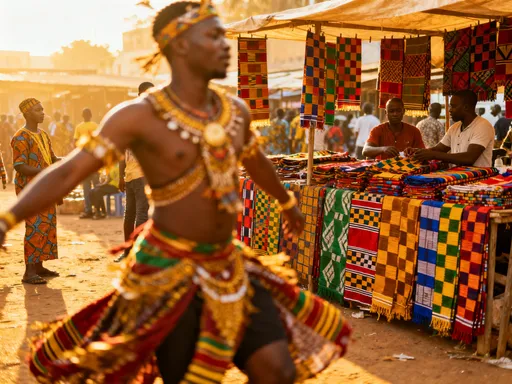
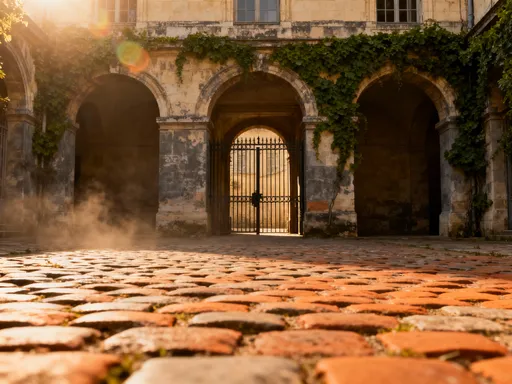
Market setups vary but always reflect the natural beauty of the region. In some areas, wooden stalls are arranged along the waterfront, their awnings fluttering in the sea breeze. In others, pop-up markets emerge in historic courtyards or beneath the arches of old stone buildings, creating intimate spaces for discovery. Lighting plays a key role—lanterns, fairy lights, and candlelit displays enhance the evening ambiance, making browsing after sunset a magical experience. Whether you’re drawn to textiles, pottery, or gourmet foods, these markets offer curated selections that reflect the soul of the Aegean.
The integration of performance, food, and shopping is what makes Bodrum’s festival markets truly holistic. You might begin your evening with a meze platter at a seaside taverna, move on to a live music performance, and end with a leisurely stroll through a moonlit bazaar. Each element complements the others, creating a rhythm that mirrors the pace of Mediterranean life—slow, joyful, and deeply connected to place. For the discerning traveler, this blend of culture and commerce offers a richer alternative to conventional tourism.
Hidden Gems: Handmade Crafts and Local Artisans
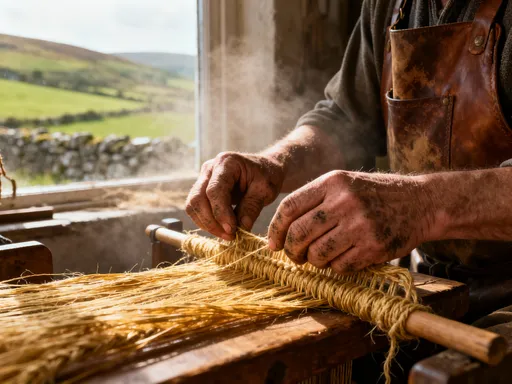
One of the greatest joys of shopping at Bodrum’s summer festivals is discovering the hidden gems created by local artisans. These are not mass-produced souvenirs but unique, handcrafted items that carry the imprint of individual skill and regional heritage. Among the most treasured are handwoven kilims and rugs, often made using wool from local sheep and dyed with natural pigments like madder root and pomegranate peel. Each pattern tells a story—some symbolize protection, others fertility or prosperity—passed down through generations of weavers, many of whom are women working in small cooperatives.
Aegean ceramics are another standout. Unlike factory-made pottery, these pieces are shaped on traditional wheels and fired in wood-burning kilns. The glazes often reflect the colors of the sea and sky—cobalt blue, turquoise, and sunlit white—applied in freehand designs that feel both ancient and modern. Visitors can find everything from delicate tea sets to large decorative plates, each one slightly imperfect in a way that enhances its charm. Some artisans even offer short workshops where guests can try their hand at throwing clay or painting a small tile to take home.
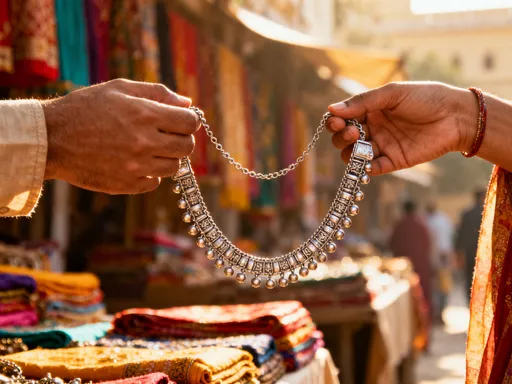
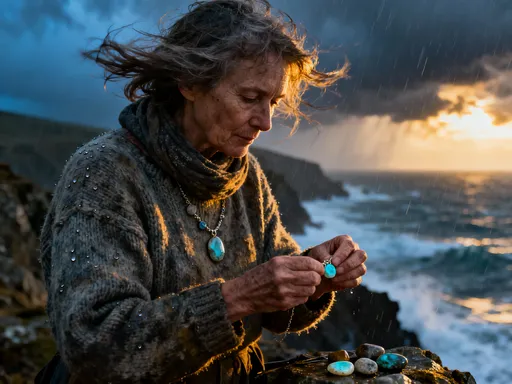
Filigree jewelry, especially in silver, is a hallmark of Bodrum’s craft tradition. Delicate wires are twisted into intricate floral and geometric patterns, often inspired by Ottoman and Byzantine motifs. These pieces are lightweight, elegant, and surprisingly affordable given the labor involved. Many jewelers work on-site at the markets, allowing visitors to watch them shape a pendant or earrings in real time. This transparency builds trust and deepens appreciation—when you see the hours of meticulous work behind a single brooch, you understand its true value.
Supporting these artisans isn’t just about acquiring beautiful objects; it’s an act of cultural preservation. Small-scale producers face increasing competition from imported goods and fast fashion, yet they continue to uphold standards of quality and sustainability. Prices at these markets are generally fair, reflecting the cost of materials and labor without excessive markup. Bargaining is possible, but many vendors appreciate customers who recognize the worth of handmade work and pay without haggling excessively. By choosing authentic crafts over imitation imports, travelers help sustain livelihoods and keep traditions alive.
Fashion Finds: From Beachwear to Boutique Designs
Bodrum has long been a fashion destination within Turkey, known for its effortlessly chic style that blends Mediterranean ease with modern elegance. During the summer festivals, this reputation shines through in the array of clothing and accessories available at open-air markets and pop-up boutiques. Unlike generic beachwear sold in tourist shops, the fashion here is locally designed and often locally produced, reflecting the relaxed sophistication of coastal life. Linen dresses in soft earth tones, embroidered caftans with floral motifs, and hand-stitched leather sandals are just a few of the standout pieces you’ll find.
Local designers play a significant role in shaping Bodrum’s fashion identity. Many are women who draw inspiration from the sea, the landscape, and traditional Anatolian textiles. Their collections often feature natural fabrics like cotton, linen, and silk, chosen for their breathability in the summer heat. Embroidery is a common detail—delicate threadwork along necklines or hems adds a touch of artistry without overwhelming the design. Some creators incorporate repurposed materials, such as vintage lace or leftover fabric from larger production runs, aligning with growing global interest in sustainable fashion.
When shopping for clothing at these festivals, it’s important to know how to identify quality. Look for even stitching, reinforced seams, and natural fibers that feel substantial but soft. Handmade leather sandals, for example, should mold to the foot over time rather than crack or pinch. Embroidery should be tight and consistent, not loose or uneven. Labels may be minimal or absent, but many vendors are happy to explain where and how their items were made. If a piece feels too perfect—too symmetrical or too cheap—it’s likely mass-produced and imported.
The beauty of festival fashion lies in its individuality. You won’t find identical outfits on every beachgoer here. Instead, each garment feels personal, as if chosen with intention. A linen tunic might be paired with a hand-strung bead necklace from a local artisan, or a simple cotton dress might be elevated by a hand-embroidered shawl. This mix-and-match ethos encourages creativity and self-expression, making shopping not just about acquisition but about curating a personal style rooted in place and season.
Bargaining Culture: How to Shop Like a Local
In Bodrum’s festival markets, bargaining is not just accepted—it’s expected. Yet it’s not a battle of wills; it’s a social ritual rooted in mutual respect and good humor. Turks value hospitality, and even in commerce, the interaction is meant to be pleasant. A smile, a polite greeting, and a willingness to engage in light conversation can go a long way. Start with a simple "Merhaba" (hello) and perhaps a comment on the item you’re interested in. This builds rapport before you even mention price.
When it comes to the actual negotiation, a reasonable approach is key. Asking for a 50% discount will likely be met with laughter or refusal—vendors are not looking to lose money. A better strategy is to offer 20–30% less than the initial price and be prepared to meet somewhere in the middle. If the vendor shakes their head, don’t push. They may offer a compromise, or they may stand firm—and that’s okay. In Turkey, walking away is a common part of the dance, and sometimes the vendor will call you back with a better offer.
Language can be a bridge. While many vendors speak some English, knowing a few Turkish phrases enhances the experience. "Kaç para?" (How much?) is a useful starting point. "Biraz ucuz olur mu?" (Can it be a little cheaper?) is a gentle way to begin bargaining. And always say "Teşekkür ederim" (Thank you) when you leave, whether you buy or not. This small courtesy leaves a positive impression and honors the effort the vendor has made.
It’s also important to recognize when not to bargain. In fixed-price boutiques or at stalls selling high-value handmade items, prices are often already fair, and haggling may be seen as disrespectful. Similarly, if a vendor is elderly or clearly part of a nonprofit artisan cooperative, consider paying the stated price as a gesture of support. Bargaining should never feel aggressive or exploitative. When done with kindness and awareness, it becomes a shared moment of connection—one of the quiet joys of shopping in Bodrum’s vibrant markets.
Timing Your Visit: Festivals, Seasons, and Best Shopping Days
To make the most of Bodrum’s festival shopping scene, timing is everything. The peak season runs from June to September, when the weather is warm, the sea is inviting, and the town comes alive with events. Each month offers something different: June kicks off with smaller, local gatherings; July and August bring the largest festivals and the fullest market offerings; and September still buzzes with activity, though the crowds begin to thin. If you prefer a balance of energy and ease, late June or early September may be ideal.
Within the week, your shopping experience will vary depending on the day. Weekends, especially Fridays and Saturdays, are the most vibrant. Markets are fully staffed, performances are scheduled, and the atmosphere is electric. This is the time to soak in the full festival spirit, but it also means larger crowds and longer lines. For a more relaxed pace, consider visiting on weekdays. Many markets remain open, but the foot traffic is lighter, allowing for more personal conversations with vendors and a quieter opportunity to examine goods.
Time of day also matters. Mornings can be pleasant for browsing, especially in early summer when the heat is mild. But the true magic happens in the early evening. As the sun sets, temperatures cool, and the market stalls light up, creating a romantic and inviting ambiance. This is when locals begin to arrive, families stroll hand in hand, and music fills the air. Twilight is also a strategic time to shop—vendors may be more willing to negotiate as they prepare to close, and you’ll have the chance to see items under both daylight and lantern light, helping you assess colors and textures more accurately.
Planning your visit around specific festivals can enhance your experience. The Bodrum International Art Festival typically runs throughout July, while local harvest fairs are most common in August. Checking the municipal event calendar before your trip can help you align your stay with the most exciting offerings. Even if you miss a major event, smaller pop-up markets appear spontaneously, especially in scenic neighborhoods like Bitez and Torba. The key is to stay curious, keep walking, and let the rhythm of the town guide you.
Beyond the Market: Pairing Shopping with Cultural Experiences
Shopping at Bodrum’s summer festivals is never an isolated activity—it’s part of a broader cultural journey. The markets are designed to be experienced alongside music, dance, food, and conversation. Many visitors find that the most memorable moments happen not at the point of purchase, but in the spaces between. A spontaneous folk dance breaks out near a food stall, and suddenly you’re clapping along with strangers. A potter offers you a cup of sage tea while explaining the firing process. These interactions transform shopping from a transaction into a tapestry of human connection.
To fully embrace this rhythm, consider building your day around multiple experiences. Begin with a morning swim at a quiet cove, then explore a morning market for fresh produce and local bread. Have lunch at a family-run restaurant serving Aegean specialties like stuffed grape leaves and grilled octopus. In the late afternoon, rest in the shade with a book, then return to the town as the festival lights come on. Attend a short performance, browse the stalls, and finish with a glass of pomegranate juice at a seaside café. This slow, layered approach mirrors the way locals live and allows you to absorb the culture more deeply.
After a day of shopping, unwind at one of Bodrum’s charming cafés or seaside benches. In Gümüşlük, you can sit by the ancient fish market ruins and watch the boats come in. In Yalıkavak, boutique coffee shops offer shaded terraces perfect for sipping mint tea and reviewing your finds. These moments of stillness are essential—they give you space to reflect on what you’ve seen, heard, and bought, and to appreciate the intangible souvenirs: the warmth of a conversation, the melody of a song, the scent of jasmine on the evening air.
Ultimately, shopping in Bodrum is not just about what you take home in your suitcase. It’s about how you engage with the place and its people. When you view shopping as part of the cultural rhythm—connected to music, food, and community—you open yourself to a richer, more meaningful travel experience. You’re not just a consumer; you’re a participant in a living tradition.
Festival shopping in Bodrum is more than retail—it’s a celebration of heritage, creativity, and community. When you buy a piece here, you’re not just taking home an object; you’re carrying a fragment of Turkish summer magic. Let your next trip be guided not by lists, but by the beat of local life. Where will your journey lead you to discover next?