This Is Tunisia’s Wild Side You’ve Never Seen — So Insta-Worthy
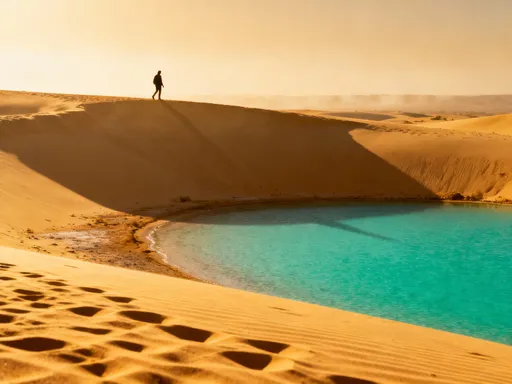
You know that feeling when you stumble upon a place so unreal, you have to double-check it’s actually real? That’s Tunis, Tunisia—only not the city you think. Beyond the capital’s maze-like medina lies a world of golden dunes, turquoise lagoons, and cliffside villages clinging to the Mediterranean. I’m talking landscapes so vivid, your camera roll will look like a travel influencer’s dream. This isn’t just North Africa—it’s nature at its most cinematic. And honestly? It’s time we gave Tunisian scenery the spotlight it deserves.
Reimagining Tunis: More Than a City, It’s a Gateway to Nature
Tunis, often celebrated for its rich history and cultural depth, is more than just the political and economic heart of Tunisia—it’s a gateway to some of the most diverse natural scenery in North Africa. While many travelers stop in the capital to explore the UNESCO-listed medina, few realize how close they are to landscapes that shift dramatically within just a short drive. Just beyond the city limits, the terrain unfolds into salt flats, coastal cliffs, wetlands teeming with birdlife, and mountain ranges that roll into the horizon. This proximity to such varied environments makes Tunis one of the most uniquely positioned capital cities in the region for nature-based exploration.
What sets Tunis apart is not just the beauty of these natural areas, but their accessibility. Within 90 minutes by car, visitors can stand at the edge of a shimmering salt lake, walk along a rugged Mediterranean coastline, or find themselves surrounded by oak and cork forests in the Tell Atlas foothills. This ease of access allows even time-limited travelers to experience multiple ecosystems in a single trip. For families, weekend excursions to nearby natural parks have long been a local tradition, a testament to how deeply intertwined Tunisians are with their natural surroundings.
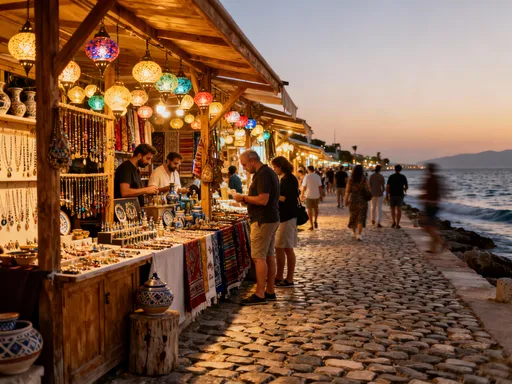
The contrast between urban Tunis and its wilder neighbors is striking. The bustling streets of the city, lined with French colonial architecture and vibrant souks, give way to quiet trails, open skies, and the gentle lapping of waves against rocky shores. This duality offers a rare travel experience: the ability to immerse oneself in history and culture by day, then retreat to serene natural landscapes by sunset. It’s this balance—between civilization and wilderness—that makes Tunis an underrated starting point for discovering Tunisia’s true environmental richness.
The Sebkha of Ariana: Where Desert Meets Suburbia
Just northeast of Tunis, nestled between suburban neighborhoods and the Mediterranean coast, lies the Sebkha of Ariana—a seasonal salt flat that transforms into one of the most surreal natural spectacles in the region. During the rainy season, typically from November to March, the basin fills with shallow water, creating a vast, mirror-like surface that reflects the sky with dreamlike clarity. At golden hour, when the sun dips low on the horizon, the effect is nothing short of magical: the earth and sky seem to merge, producing photographs that look digitally enhanced but are entirely real.
The Sebkha is not a desert in the traditional sense, but it carries the same sense of vastness and stillness. Its cracked, salt-crusted surface during the dry months resembles a lunar landscape, offering a completely different visual experience. This duality—wet and reflective in winter, dry and textured in summer—makes it a dynamic destination for repeat visits. For photographers, the flat, open terrain provides unobstructed sightlines, ideal for long-exposure shots and silhouette compositions. The lack of light pollution in the area also makes it a rare spot near a major city where stars become visible on clear nights.
Ecologically, the Sebkha of Ariana plays a vital role in the regional environment. It serves as a natural water retention area, helping to prevent urban flooding in nearby communities. It also supports a variety of halophytic plants—species adapted to high salinity—and attracts migratory birds, including flamingos and avocets, during the wet season. While it may not be as well-known as other Tunisian wetlands, its proximity to Tunis makes it an important green lung for the capital and a quiet refuge for those seeking solitude without traveling far.
For the best experience, visitors should plan their trip around sunrise or sunset, when the light is softest and the colors most intense. A wide-angle lens is ideal for capturing the expansive reflections, and a polarizing filter can help reduce glare and enhance contrast. Because the area is largely undeveloped, there are no formal facilities, so it’s wise to bring water, wear sturdy footwear, and respect the fragile surface by staying on firm ground. This is not a place for drones or loud gatherings, but for quiet contemplation and mindful photography.
La Marsa and Sidi Bou Said: Coastal Elegance with a View
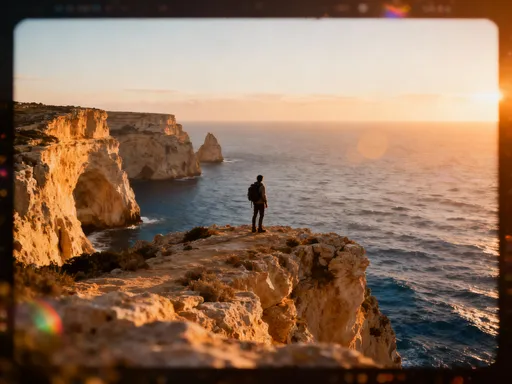
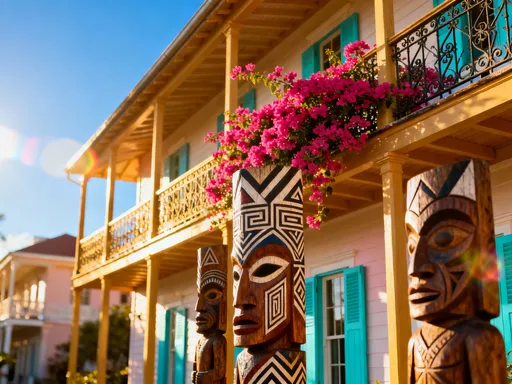
Perched on the cliffs overlooking the Gulf of Tunis, the twin towns of La Marsa and Sidi Bou Said offer some of the most picturesque coastal scenery in the country. Connected by a scenic coastal road and a network of walking paths, these areas blend Mediterranean charm with artistic flair. Sidi Bou Said, in particular, is renowned for its iconic blue-and-white architecture, with cobalt doors, wrought-iron balconies, and bougainvillea-draped walls that seem designed for the camera. But beyond the postcard-perfect streets, it’s the vantage points along the cliffs that deliver the most breathtaking views.
The walking trail from Sidi Bou Said down to the port of La Marsa is a favorite among locals and visitors alike. Winding along the cliffside, it offers panoramic vistas of the sea, where the water shifts from deep indigo to turquoise depending on the light. In the late afternoon, the sun casts a golden glow across the waves, creating ideal conditions for photography. The path is well-maintained and relatively flat, making it accessible for families and older travelers. Along the way, small stone benches invite passersby to pause and take in the view, a reminder that beauty is meant to be savored slowly.
La Marsa, once a quiet fishing village, has evolved into a refined seaside district known for its relaxed pace and elegant cafés. Many of these establishments feature terraces that seem to float above the sea, offering unobstructed views of the horizon. Sitting with a mint tea or a fresh orange juice, one can watch sailboats glide across the bay as the sun sets behind the hills. These moments—simple, serene, and deeply atmospheric—are exactly what make this stretch of coastline so special.
For those documenting their journey, the contrast between the structured beauty of Sidi Bou Said’s architecture and the wild, untamed sea below creates compelling visual tension. Shooting from low angles emphasizes the height of the cliffs, while wide shots capture the interplay of color and light. The best photos often come not from the most crowded spots, but from quieter side paths where the Mediterranean feels entirely yours. This is a place where elegance meets nature, and where every turn reveals a new frame-worthy scene.
The Ichkeul National Park Experience: A UNESCO Secret
About an hour’s drive from Tunis, hidden in the northern reaches of the country, lies Ichkeul National Park—a UNESCO World Heritage Site and one of Tunisia’s most ecologically significant protected areas. Centered around Lake Ichkeul, the park forms part of a larger wetland system that includes marshes, rivers, and the adjacent Lake of Bizerte. What makes this place extraordinary is its role as a critical stopover for tens of thousands of migratory birds traveling between Europe and Africa. From October to March, the skies come alive with flocks of ducks, geese, storks, and the park’s most famous residents: greater flamingos.
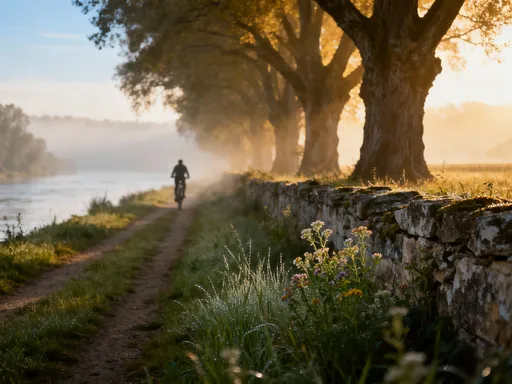
The landscape here is both dramatic and serene. The lake is framed by Djebel Ichkeul, a limestone mountain that rises abruptly from the flat wetlands, creating a striking contrast between water and rock. During the migration season, the air hums with the sounds of wings and calls, and the surface of the lake ripples with movement. For photographers, this is a paradise of motion and light. Early mornings offer the best conditions—soft fog often lingers over the water, giving images a moody, almost painterly quality. A telephoto lens allows for close-ups of birds in flight, while a tripod helps capture the stillness of dawn reflections.
Visitors to Ichkeul National Park are required to enter through official gates and are strongly encouraged to join guided tours. These tours, led by trained naturalists, ensure that wildlife is observed responsibly and that fragile habitats remain undisturbed. The guides provide valuable insights into the park’s ecosystem, explaining how seasonal water levels affect plant and animal life, and pointing out species that might otherwise go unnoticed. This educational component enriches the experience, turning a simple visit into a deeper understanding of ecological balance.
Because the park is a protected area, certain rules are in place to preserve its integrity. Drones are not permitted, and visitors must stay on designated paths. Littering is strictly prohibited, and food is not allowed in sensitive zones. These measures, while limiting in some ways, are essential for maintaining the park’s health and ensuring that future generations can enjoy its beauty. For those who value authenticity over convenience, Ichkeul offers a rare chance to witness nature in its unscripted, evolving form.
Dahar Mountains and Southern Escapes: Rugged Beauty Within Reach
While much of this journey has focused on areas near Tunis, the spirit of Tunisia’s wild side extends further south, into the rugged highlands of the Dahar Mountains. Though not directly adjacent to the capital, these landscapes are accessible on a long day trip or as part of a longer itinerary. The region, located in the southeast near the town of Matmata, is known for its dramatic plateaus, deep gorges, and ancient Berber troglodyte dwellings carved into the rock. The terrain is both harsh and beautiful, shaped by centuries of wind and water erosion, offering a stark contrast to the coastal elegance of the north.
Driving through the Dahar Mountains is an experience in itself. The winding roads climb and descend through rocky passes, revealing panoramic views at every turn. Terraced fields, maintained by local farmers for generations, cling to the slopes, a testament to human resilience in a challenging environment. In spring, the hills come alive with wildflowers, adding bursts of color to the otherwise earth-toned landscape. For drone photography, this region offers unparalleled opportunities—vast, open spaces with minimal air traffic restrictions and breathtaking geological formations.
The Berber villages scattered throughout the area are as much a part of the scenery as the mountains themselves. Homes built from stone and earth blend seamlessly into the surroundings, and daily life unfolds at a pace dictated by the seasons. Visitors are welcomed with warmth and hospitality, but it’s important to approach these communities with respect. Always ask permission before photographing people, avoid intrusive behavior, and support local economies by purchasing handmade crafts or sharing a meal at a family-run guesthouse.
Responsible travel is especially crucial in such remote areas. The delicate balance between tourism and preservation requires mindfulness—staying on marked trails, avoiding off-road driving, and carrying out all waste. The beauty of the Dahar Mountains lies not just in their visual impact, but in their authenticity. They remain untouched not because they are unknown, but because those who visit choose to protect them. This is travel at its most meaningful: not just seeing, but honoring.
Practical Magic: How to Capture the Scenery Like a Pro
Beautiful landscapes deserve thoughtful documentation. While smartphones have made photography more accessible than ever, a few simple techniques can elevate your travel images from casual snapshots to lasting memories. The first and most important tip is timing. In Tunisia, as in much of the Mediterranean, the golden hours—shortly after sunrise and before sunset—offer the most flattering light. During these times, the sun sits low, casting long shadows and warm tones that enhance textures and colors. Planning your visits around these windows can make a dramatic difference in the quality of your photos.
When it comes to gear, less is often more. A lightweight mirrorless camera with a versatile zoom lens (such as a 24-70mm) is ideal for capturing both wide landscapes and tighter details. For those serious about nature photography, a telephoto lens (70-200mm) is invaluable for wildlife shots, especially in places like Ichkeul National Park. A compact tripod is also worth carrying—it stabilizes your camera for long exposures and allows for creative compositions without adding too much weight to your pack.
Smartphone users can still achieve excellent results by using built-in HDR mode, manual focus, and grid overlays to follow the rule of thirds. Apps like PhotoPills or Sun Surveyor help predict sunrise and sunset times, track the position of the sun and moon, and even simulate how light will fall on a landscape at a given time. These tools are especially useful when planning shots at specific locations like the Sebkha of Ariana or the cliffs of Sidi Bou Said.
It’s also essential to understand Tunisia’s drone regulations. Recreational drone use is permitted in most outdoor areas, but flying near airports, military zones, or protected sites like UNESCO World Heritage areas requires prior authorization. In practice, this means drones are generally not allowed in Ichkeul National Park or over the medina of Tunis. Always check local guidelines and err on the side of caution—respecting rules protects both your equipment and the places you visit.
Finally, resist the temptation to take risky shots. No photograph is worth compromising your safety or damaging the environment. Avoid climbing unstable rocks, venturing onto private property, or disturbing wildlife for the sake of an image. True beauty lies in authenticity, not in staged or dangerous poses. The most powerful travel photos are those that capture a moment as it naturally unfolded—quiet, honest, and full of meaning.
Why Tunisian Nature Deserves More Than a Filter
There’s a tendency in the age of social media to reduce landscapes to backdrops—perfectly framed, filtered, and shared for likes. But the natural wonders of Tunisia offer something deeper than aesthetic appeal. They are living systems, shaped by time, climate, and human stewardship. The salt flats, wetlands, and mountains are not just scenic; they are vital to biodiversity, water regulation, and cultural identity. When we travel to these places, we’re not just spectators—we’re participants in a much larger story.
Sustainable tourism begins with awareness. Recognizing that every footstep has an impact encourages us to move with care. This means choosing eco-friendly transport when possible, supporting local businesses, and leaving no trace behind. It means sharing not just images, but stories—about the people who live there, the challenges these ecosystems face, and the importance of protecting them. Social media can be a force for good when used to educate and inspire rather than merely impress.
Tunisia’s natural heritage is not a commodity to be consumed, but a legacy to be honored. The cliffs of La Marsa, the silence of the Sebkha, the calls of birds over Ichkeul—these are not just photo opportunities. They are reminders of the world’s quiet beauty, of resilience, and of connection. As more travelers discover these places, the responsibility to preserve them grows. We can admire, we can share, but we must also protect.
So go ahead—pack your camera, lace up your walking shoes, and set out from Tunis to see the wild side of Tunisia. Let your photos capture the light, the color, the grandeur. But let your actions reflect something deeper: a commitment to travel that is not just beautiful, but meaningful. Because the most powerful image isn’t the one you post online. It’s the one you carry in your heart—the memory of a place that changed how you see the world.