You Won’t Believe These Hidden Gems in the Loire Valley
Nestled in the heart of France, the Loire Valley is more than just castles and vineyards. I stumbled upon quiet trails, secret gardens, and riverside spots most tourists never see. Away from the crowds, the region reveals a softer, wilder beauty—untamed nature, centuries-old villages, and moments of pure calm. This isn’t the postcard version; it’s the real, whispered Loire. If you’re craving authenticity, you gotta check this out.
Beyond the Brochures: A Different Side of the Loire Valley
The Loire Valley is often painted in broad, romantic strokes—golden châteaux rising from misty mornings, endless rows of grapevines glistening under summer sun, and the elegant sweep of the Loire River weaving through green valleys. These images are real, and they are breathtaking, but they only tell part of the story. Beyond the polished brochures and curated tours lies a quieter, more intimate landscape—one that speaks in hushed tones and unfolds slowly to those willing to listen. This is not the Loire of guided buses and crowded courtyards, but the Loire of moss-covered footbridges, village squares warmed by afternoon sun, and country lanes where the only sound is the rustle of leaves.
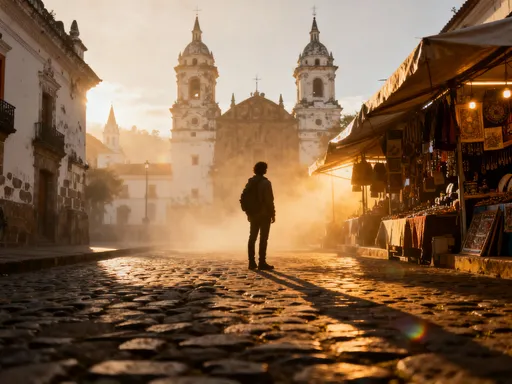
Stepping off the main tourist routes doesn’t mean sacrificing beauty or history. In fact, it enhances them. When you move beyond the towering gates of Chambord or the elegant arches of Chenonceau, you begin to see the region as locals do—a living, breathing place shaped by seasons, traditions, and quiet routines. Unnamed villages tucked into river bends offer a glimpse into a timeless rhythm. Imagine walking into a square at dawn, where the scent of fresh bread drifts from a shuttered bakery, and the bell of a centuries-old church tolls softly above cobbled streets. There are no souvenir shops here, no crowds jostling for photos—just life unfolding with grace and simplicity.
What makes these overlooked places so powerful is their authenticity. They don’t perform for visitors; they simply exist. A stone well shaded by an ancient chestnut tree, a row of half-timbered houses with flower boxes spilling over with geraniums, a goat grazing lazily beside a crumbling wall—these are the quiet details that stir the soul. Travelers who seek them out are rewarded not with checkmarks on a sightseeing list, but with a deeper connection to place. This kind of travel isn’t about collecting landmarks; it’s about gathering moments—sunlight filtering through ivy, the murmur of a stream under a wooden footbridge, the warm nod of a local who says “bonjour” as you pass.
Forgotten Gardens and Secret Courtyards
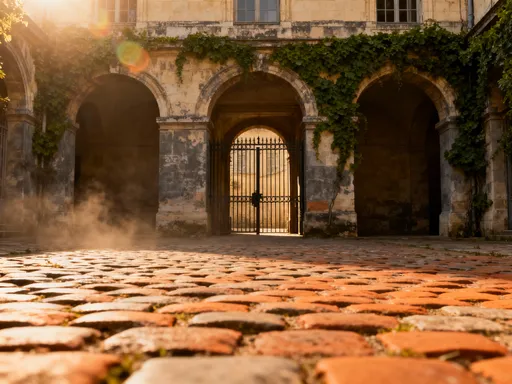
While the formal gardens of grand châteaux dazzle with symmetry and color, some of the most moving green spaces in the Loire Valley are found in silence, behind unassuming gates or down narrow lanes known only to locals. These are the forgotten gardens—overgrown in the most beautiful way, where nature and human care exist in gentle balance. Some belong to smaller manors rarely listed in guidebooks; others are maintained by communities or families who welcome respectful visitors during certain seasons. They don’t have ticket booths or audio guides, but they have something rarer: peace, history, and a sense of discovery.
Walking into one of these hidden courtyards feels like stepping into a private dream. Sunlight filters through a canopy of century-old lindens, dappling stone paths worn smooth by time. Wild roses climb crumbling walls, their fragrance mingling with the earthy scent of damp moss. In one corner, a stone fountain, long dry, is now home to ferns and moss, its basin softened by years of rain and neglect. There’s no strict design here—no perfectly clipped hedges or geometric flowerbeds—just a quiet harmony between wildness and memory. These gardens don’t shout; they whisper stories of generations who once walked these paths, sipped tea under parasols, or paused to watch the light change over the hills.
Visiting such places requires mindfulness. Many are still private or semi-private, and their charm depends on being treated with care. The best approach is quiet respect—staying on marked paths, avoiding loud conversation, and never disturbing plants or structures. Some gardens open their gates during regional heritage days or local festivals, offering rare access to spaces usually closed to the public. Others may be visited by appointment, especially if attached to a small cultural association or family estate. When in doubt, asking at a nearby village office or tourist information point can lead to unexpected invitations. The reward is not just beauty, but the feeling of being entrusted with a secret—one that’s been kept for decades, if not centuries.
Along the Loire River: Hidden Riverbanks and Cycling Paths
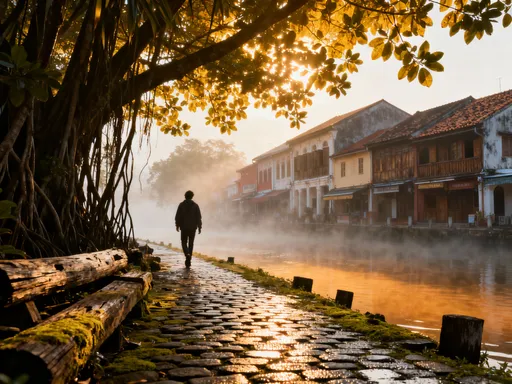
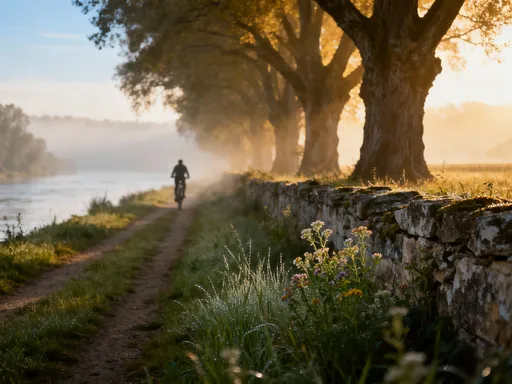
The Loire River is the lifeblood of the region, a wide, slow-moving ribbon of silver that has shaped the land and lives for millennia. While many tourists admire it from castle terraces or wine cruises, a more intimate experience awaits those who follow its banks on foot or by bicycle. The Loire à Vélo, a well-maintained cycling route that stretches across the region, is popular—but just a short detour from its main path reveals stretches of riverside solitude that few ever see. These are the hidden inlets, the quiet docks, the sandy bars where herons stand motionless at dawn, waiting for fish.
Cycling or walking along these lesser-known trails offers a rhythm that matches the river’s own pace. You move slowly, eyes open to small wonders: a kingfisher darting across the water, an old mill with its wheel stilled by time, a fisherman in a straw hat casting his line from a wooden platform. The air carries the scent of wet reeds and sun-warmed stone. In early summer, the banks burst with tall yellow iris and purple loosestrife; in autumn, the water reflects a sky heavy with clouds, and the trees along the shore turn gold and russet. These are not dramatic vistas, but subtle, evolving scenes that reward patience and presence.
For the best experience, plan your journey for early morning or late afternoon. Midday brings both heat and the occasional tour group, but at sunrise, the river is often wrapped in mist, and the only sound is the lap of water against the shore. A lightweight bike with comfortable tires is ideal—many paths are gravel or packed earth—and a small backpack with water, a snack, and a map is all you need. Some stretches pass near villages with cafés where you can stop for a coffee or a glass of local cider, but others are blissfully remote. The key is to travel light, move slowly, and let the river guide you. You’re not racing to a destination; you’re absorbing a landscape, one quiet mile at a time.
Medieval Villages Off the Tourist Trail
While towns like Amboise and Blois draw crowds with their royal histories and bustling markets, the Loire Valley holds quieter treasures—medieval villages that have escaped the spotlight, preserved not for tourists, but by the quiet continuity of daily life. These are places where time feels suspended, where half-timbered houses lean gently over narrow streets, their wooden beams darkened by centuries of weather. Shutters are painted soft green or faded blue, and flower pots hang from windowsills like offerings to the season. Few guidebooks mention them, and fewer tour buses reach them, but for those who do arrive, the reward is a sense of discovery and deep cultural warmth.
Walking through one of these villages at golden hour—when the sun slants low and the stone glows amber—is like stepping into a painting. The air is still, broken only by the chime of a church bell or the distant bark of a dog. A cat stretches on a sun-warmed step; a woman in an apron closes her shutters with a soft click. At the village center, a small market might be winding down, with baskets of cherries, wheels of goat cheese, and bundles of herbs still on display. There’s no performance here, no staged authenticity—just real life, lived with dignity and care.
What makes these villages so special is not just their beauty, but the way they invite connection. A simple “bonjour” to a shopkeeper can lead to a five-minute conversation, a recommendation for the best bakery, or an invitation to peek inside a hidden chapel. These moments aren’t scripted; they happen because you’ve shown respect and presence. Some villages host seasonal festivals—harvest celebrations, music in the square, candlelit processions—where locals open their homes and traditions to visitors. Attending one feels like being welcomed into a family, even if you don’t speak the language fluently. The message is clear: you are not just passing through; you are seen, and your presence is appreciated.
Nature Reserves and Untamed Landscapes
The Loire Valley is often associated with cultivated beauty—manicured gardens, orderly vineyards, and elegant estates. But beyond these tamed spaces lies a wilder, more primal side of the region. Protected wetlands, floodplain forests, and natural reserves stretch along the river’s course, forming one of Europe’s most important ecological corridors. These are places where the Loire behaves like a true river—shifting its banks, flooding its meadows, and creating habitats that support an astonishing variety of life. For travelers seeking solitude and natural wonder, these reserves offer some of the most profound experiences in the region.
One of the most striking features of these wild areas is their stillness. Walking a trail through a marshland at dawn, you might see a deer step cautiously from the reeds, or hear the distant cry of a marsh harrier circling overhead. The air is thick with the scent of damp earth and wild mint. Boardwalks wind through tall grasses, offering safe passage while minimizing impact on the fragile ecosystem. Birdwatchers will find paradise here—kingfishers, herons, egrets, and even rare species like the black stork can be spotted with patience and a good pair of binoculars. In spring, the wetlands bloom with orchids and water lilies; in winter, they are blanketed in mist, their beauty stark and meditative.
These reserves are not just scenic—they are vital. They protect biodiversity, regulate flooding, and preserve the natural rhythm of the Loire. Visiting them comes with responsibility. Staying on marked trails, avoiding litter, and keeping noise to a minimum are essential practices. Many reserves have small visitor centers with maps, educational displays, and advice on the best times to visit. Some offer guided walks led by naturalists who can point out subtle signs of wildlife—tracks in the mud, nests hidden in the reeds, the call of a distant bittern. These experiences deepen your understanding of the landscape and remind you that true beauty often lies in balance, not control.
Local Flavors in Unexpected Places
The culinary soul of the Loire Valley isn’t found only in fine dining rooms or wine cellars with velvet ropes. It lives in village markets, roadside stalls, and family-run caves where the owner pours a taste of rosé with a smile. These are the places where food is not a performance, but a practice—a daily ritual of growing, baking, fermenting, and sharing. For travelers, they offer some of the most authentic and memorable experiences in the region. A simple meal of goat cheese, fresh bread, and a glass of local wine, eaten on a bench by a quiet square, can become a highlight of the journey.
One of the joys of traveling off the beaten path is stumbling upon these unassuming spots. A small café with plastic chairs outside might serve the best onion tart in the region. A farm stand at the edge of a field could offer cherries still warm from the sun, sold by a farmer who invites you to pick your own. A family-run vineyard, hidden down a dirt lane, might let you taste wine straight from the barrel, accompanied by stories passed down through generations. These encounters are not transactional; they are relational. You’re not just buying food—you’re connecting with the people who grow it, make it, and love it.
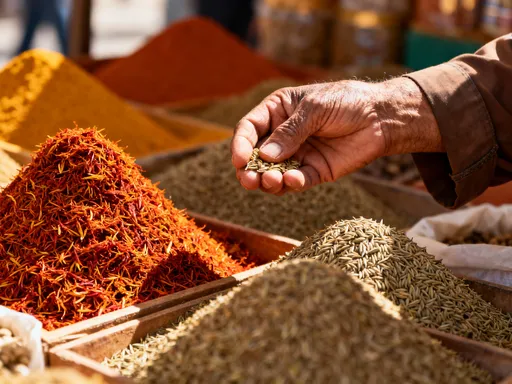
To find these authentic producers, look for signs of local patronage. If a market stall has a line of older women in aprons, you’ve found the right place. If a café is full of people in work clothes at midday, the food is likely fresh and honest. Ask questions—“Where is this cheese made?” or “Is this wine from your own vines?”—and you’ll often be rewarded with a smile and a longer conversation. Many small producers welcome visitors by appointment, especially in the shoulder seasons. Some even offer tours of their farms or cellars. These experiences don’t just feed the body; they nourish the spirit, reminding us that food is more than fuel—it’s memory, identity, and generosity.
Why Hidden Spots Matter: The Value of Slow, Mindful Travel
Discovering the hidden gems of the Loire Valley is about more than avoiding crowds or finding Instagram-worthy corners. It’s about a different way of traveling—one rooted in presence, respect, and connection. When you step away from the main routes, you slow down. You notice more. You listen. You begin to see the world not as a checklist, but as a living story, unfolding in real time. These quiet villages, secret gardens, and wild riverbanks aren’t just scenic; they’re sacred in the simplest sense—set apart, not by rules, but by the depth of feeling they inspire.
Choosing to explore these places is also a quiet act of sustainability. By spreading out, by visiting lesser-known sites, by supporting small producers and local custodians, travelers help preserve the very beauty they’ve come to admire. Overtourism strains infrastructure, erodes cultural authenticity, and damages natural habitats. But mindful travel—travel that is slow, intentional, and humble—can be a force for good. It supports local economies, fosters mutual respect, and protects the delicate balance of places that thrive on quiet.
In the end, the hidden Loire is not a secret to be hoarded, but a lesson to be shared. It teaches us that wonder doesn’t require grandeur, that connection doesn’t require spectacle, and that the most meaningful journeys are often the quietest. So the next time you plan a trip, don’t just follow the map—follow the feeling. Let curiosity guide you down unnamed lanes, let silence welcome you into forgotten gardens, and let the river remind you of the beauty of simply being. The Loire Valley, in its truest form, is not a destination. It’s an invitation—to slow down, to look closely, and to fall in love with the world all over again.