You Won't Believe These Hidden Urban Gems in Busan
Busan isn’t just beaches and temples—its urban spaces are pure magic. I wandered through streets where concrete meets art, and every corner felt like a curated photo op. From subway stations that look like galleries to rooftop views worth skipping breakfast for, this city surprises at every turn. If you're chasing authenticity with a side of Instagram sparkle, Busan’s cityscape delivers—no filters needed.
The Pulse of Urban Busan: Where Modernity Meets Grit
At first glance, Busan might appear as a bustling port city shaped by industry and commerce. But beneath its dynamic rhythm lies a deeper narrative—one where urban renewal and cultural identity converge. Unlike more polished metropolises, Busan embraces its grit, turning weathered facades and functional infrastructure into elements of visual charm. This authenticity is most palpable in neighborhoods like Nampo-dong and Seomyeon, where the pulse of daily life beats strongest. These districts are not merely commercial centers; they are living ecosystems of fashion, food, and local expression.
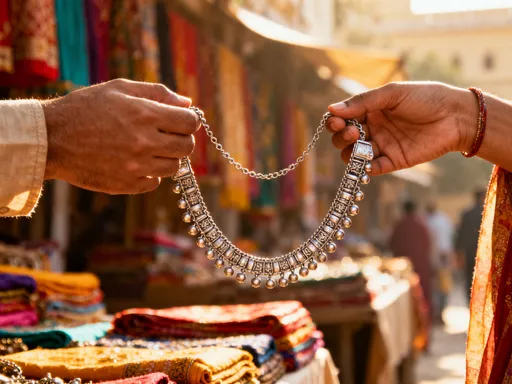
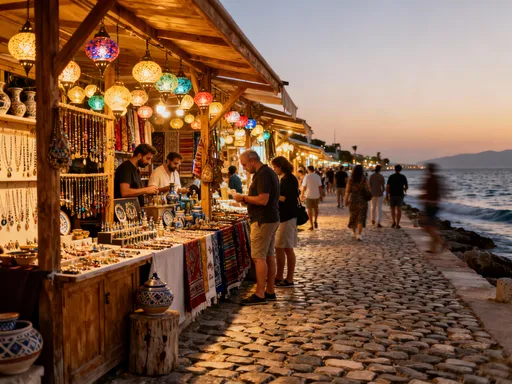
Nampo-dong, anchored by the iconic Gukje Market, thrives on its historical continuity. Once a postwar black market, it has evolved into a vibrant shopping district where bargain hunters and curious travelers mingle under neon-lit awnings. The streets buzz with energy, not just from foot traffic, but from the sense of history embedded in every storefront. Shopkeepers call out greetings, street vendors grill odeng (fish cakes) on open grills, and the scent of roasted sweet potatoes lingers in the winter air. What makes this space visually compelling is the layering of time—old signage stacked atop new, hand-painted advertisements beside digital displays. It’s a place where the city's past and present coexist without pretense.
Seomyeon, in contrast, offers a more contemporary rhythm. As one of Busan’s main transportation and business hubs, it pulses with a younger, forward-moving energy. Skyscrapers house department stores and tech startups, while underground shopping malls stretch like labyrinths beneath the streets. Yet even here, the city resists sterile modernity. Public art installations—such as abstract sculptures in plazas or mosaic benches along pedestrian walkways—add moments of surprise. Murals on side alleys depict local folklore or whimsical animals, softening the hard edges of concrete and glass. These touches aren’t afterthoughts; they reflect a deliberate effort to humanize urban space, making it not just efficient but emotionally resonant.
What sets Busan’s urban core apart is its refusal to choose between function and beauty. The city doesn’t hide its working parts—drainpipes, fire escapes, and utility poles are often incorporated into its aesthetic rather than concealed. This honesty creates a sense of trust between the city and its visitors. You’re not seeing a facade; you’re witnessing a place that works, breathes, and evolves. For photographers and wanderers alike, this means endless opportunities for candid shots—moments of laughter outside a bus stop, reflections in puddled rainwater, or the golden glow of evening light on a brick wall covered in ivy.
Gamcheon Culture Village: A Staircase to Visual Storytelling
Nestled on a hillside between two mountains, Gamcheon Culture Village is one of Busan’s most celebrated urban transformations. Once a modest residential area for displaced families during the mid-20th century, it was at risk of decline as younger generations moved to newer districts. But in the 2010s, a city-led initiative reimagined the neighborhood as a canvas for community-driven art. Today, it stands as a testament to how creativity can breathe new life into overlooked spaces.
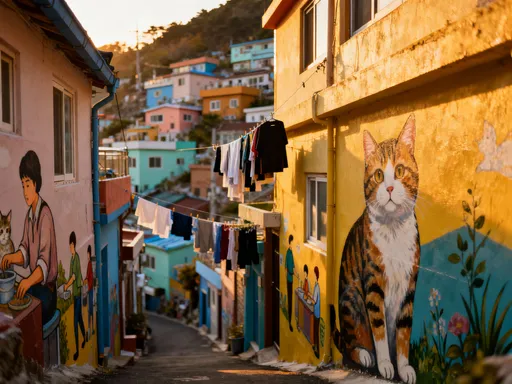
Walking through Gamcheon feels like stepping into a three-dimensional painting. Narrow staircases zigzag between tightly packed houses, each painted in vibrant hues—sunflower yellow, seafoam green, sky blue. Murals cover entire walls, depicting everything from cats wearing crowns to families gathered around dinner tables. Sculptures peek out from corners: a wooden bird perched on a windowsill, a metal fish emerging from a drainpipe. Even the street signs are whimsical, shaped like seashells or painted with cartoon faces. Every turn offers a new composition, making it a favorite among photographers and social media travelers.
But Gamcheon is more than a backdrop. The art here tells stories—of resilience, memory, and local pride. One mural honors the village’s fishing heritage, showing a boat sailing toward a rising sun. Another pays tribute to former residents who served in the military. These narratives transform the experience from mere sightseeing into something more intimate. Visitors are not just observers; they become part of a shared cultural dialogue. Local residents, many of whom have lived here for decades, often welcome guests with warm smiles, sometimes offering handmade crafts or small cups of barley tea from roadside stands.
The success of Gamcheon lies in its balance between preservation and innovation. While tourism has increased, efforts have been made to protect the community’s integrity. Signs encourage quiet footsteps, and certain alleys remain off-limits to maintain privacy. Shops selling handmade postcards, pottery, and traditional snacks support the local economy without overwhelming the neighborhood’s character. For visitors, the lesson is clear: beauty doesn’t require displacement. When art serves people—not just aesthetics—urban renewal becomes sustainable and meaningful.
Busan’s Subway Stations: Underground Masterpieces
In most cities, subway stations are functional—places to pass through quickly, eyes down, earbuds in. But in Busan, the metro system doubles as an underground gallery of design and storytelling. Stations like Beomnaegi, Dongnae, and Nampo are not just transit points; they are immersive experiences that reflect the identity of their neighborhoods. Travelers often find themselves pausing, cameras out, marveling at the attention to detail that transforms routine commutes into moments of wonder.
Beomnaegi Station, located near Pusan National University, embraces a scholarly theme. The walls are lined with quotes from Korean philosophers and poets, etched in stainless steel. Soft lighting mimics the glow of reading lamps, and ceiling panels resemble open books. Even the floor patterns evoke pages turning, guiding passengers with subtle visual cues. It’s a space that celebrates knowledge without pretension—welcoming students, families, and tourists alike. For parents traveling with children, these stations become informal classrooms, sparking curiosity about literature and history.
Dongnae Station, one of the oldest in the city, draws from its historical roots as a fortress town. Stone-textured walls and arched corridors evoke ancient fortifications, while digital displays show reenactments of historical events. The station’s centerpiece is a large-scale mural depicting the Battle of Dongnae during the 16th century, rendered in muted earth tones to honor its solemn significance. Yet modernity is not erased—LED lighting accents the architecture, and sleek signage ensures clarity. This blend of old and new mirrors Busan’s broader identity: a city that remembers its past while moving confidently forward.
Even transfer stations like Seomyeon showcase artistic ambition. The underground corridors feature rotating art exhibitions, often curated by local schools or community groups. One month might highlight student paintings of coastal life; the next could display textile art inspired by traditional hanbok patterns. These installations change regularly, ensuring that frequent riders never see the same thing twice. For visitors, this means that even a simple journey from one district to another becomes a cultural tour beneath the streets.
The impact of these designs goes beyond aesthetics. Studies have shown that well-designed public spaces can improve mood and reduce stress—particularly in high-traffic environments. In Busan, the investment in subway art reflects a deeper commitment to civic well-being. It signals that public infrastructure is not just about efficiency, but about dignity and delight. For women traveling alone or families navigating the city, these thoughtful spaces offer a sense of safety and welcome.
Architectural Contrasts: Skyscrapers and Old Markets Coexist
One of Busan’s most striking visual themes is contrast—the way ancient and modern stand side by side, not in competition, but in conversation. Nowhere is this more evident than in the juxtaposition of Haeundae’s glass towers and Jagalchi Fish Market’s bustling stalls. In Haeundae, luxury high-rises rise like crystal cliffs along the coastline, their mirrored surfaces reflecting the sea. Just a short subway ride away, Jagalchi unfolds in a symphony of sound and scent—fishmongers shouting prices, octopuses wriggling on ice, and the sharp tang of seaweed in the air.
This contrast isn’t accidental; it’s foundational to Busan’s identity. The city has never sought to erase its working-class roots in favor of modernization. Instead, it layers new developments atop old traditions, creating a rich urban tapestry. At Jagalchi, century-old wooden stalls sit beneath digital price boards. Vendors in rubber boots use smartphones to track inventory, while tourists snap photos of live eels in transparent tanks. The market remains a vital hub, supplying seafood to restaurants across the region. Its persistence is a quiet act of cultural resistance—a reminder that progress doesn’t require forgetting.
For photographers, these contrasts yield powerful compositions. A single frame can capture a neon-lit sign above a fish stall, with a sleek skyscraper rising in the background. Rain puddles on the pavement mirror both the chaos of the market and the stillness of the tower above. Golden hour light bathes the scene in warmth, softening the edges of concrete and steel. These images don’t just document a place—they tell stories about resilience, adaptation, and continuity.
Urban planners have recognized the value of this duality. Rather than relocating traditional markets to make way for development, the city has invested in upgrading facilities while preserving their character. At Gukje Market, drainage systems have been improved, and signage is now multilingual, but the soul of the place remains unchanged. Shoppers still haggle over prices, elders share gossip over tea, and children dart between stalls. This balance ensures that modernization serves people, not just profits.
Rooftop Escapes: Elevated Perspectives of the City
To truly understand Busan’s urban rhythm, one must rise above it. Rooftop viewpoints offer a different kind of intimacy—one that reveals patterns, connections, and hidden geometries. While some cities guard their heights, Busan offers accessible vantage points that invite contemplation. From rooftop cafes in Haeundae to observation decks in department stores like Shinsegae Centum City, these spaces provide panoramic access without exclusivity.
One of the most beloved spots is the rooftop garden of the Busan Museum of Art in Gwangan. Open to the public, it features a landscaped terrace with seating, potted trees, and unobstructed views of the Nakdong River and surrounding hills. At sunset, the sky shifts from gold to lavender, casting a soft glow over the city. Visitors sip coffee from thermoses, read books, or simply sit in silence. For mothers taking a rare moment of solitude, or friends reuniting after years apart, these spaces offer emotional refuge from the pace below.
Photographers favor golden hour—the hour after sunrise and before sunset—when shadows are long and light is warm. Rooftops become natural studios, with the city as a living backdrop. The Gwangan Bridge, illuminated by thousands of LED lights, stretches across the water like a string of pearls. Ships glide silently in the distance, their navigation lights blinking in rhythm. Capturing these scenes requires patience and respect. Tripods are allowed in public areas, but flash photography is discouraged to avoid disturbing others.
Safety and etiquette are paramount. All public rooftops have secure railings and clear signage. Staff members are often present to assist visitors, especially during peak seasons. Unlike unauthorized building climbs, which are both dangerous and illegal, these designated spots ensure that everyone can enjoy the view responsibly. For families with children, this means peace of mind. For solo travelers, it means inclusion without risk.
Street Art & Urban Revival: Murals with Meaning
While Gamcheon is the most famous example of public art in Busan, the city’s mural movement extends far beyond one neighborhood. Across districts like Jung-gu and Dong-gu, forgotten walls have been transformed into storytelling surfaces. These works are not random acts of color; they are part of a broader urban revival strategy that combines aesthetics with social purpose.
In the alleys near Gukje Market, murals depict scenes of daily life—women carrying baskets of vegetables, children playing hopscotch, fishermen mending nets. Some include QR codes that link to audio recordings of elders sharing memories of the neighborhood. This integration of technology and tradition turns passive viewing into active engagement. For older residents, seeing their lives honored on walls brings pride. For younger generations, it fosters connection to a history they might otherwise overlook.
The city distinguishes carefully between vandalism and public art. Unauthorized graffiti is removed, but commissioned murals are protected and maintained. Artists are often selected through community proposals, ensuring that works reflect local values. Themes of resilience, family, and nature recur—symbols of fish, waves, and mountains appear frequently, tying the art to Busan’s coastal identity. One particularly moving piece in Seomyeon shows a grandmother and granddaughter planting flowers in a cracked sidewalk, a metaphor for growth amid hardship.
These murals do more than beautify—they activate space. A once-dark alley now feels safe and inviting, encouraging foot traffic and small businesses. Cafes open nearby, drawn by the footfall. Residents take pride in keeping the area clean. In this way, art becomes infrastructure, supporting both emotional and economic well-being. For visitors, it’s a reminder that cities are not just built of materials, but of stories.
Navigating the City: Practical Tips for Capturing Urban Beauty
Exploring Busan’s urban gems requires more than a camera—it demands mindfulness. The best photographs often come not from rushing between landmarks, but from slowing down and observing. Timing is essential. Midday sun creates harsh shadows and washed-out colors, so early morning or late afternoon light yields the most flattering results. Overcast days, often underrated, provide soft, even lighting ideal for street photography.
The subway remains the most efficient way to move between districts. Clean, safe, and well-marked in English, it connects all major neighborhoods. A T-money card, available at convenience stores, simplifies travel. For longer distances, the Busan-Gimhae Light Rail offers scenic views of rice fields and rivers. Biking is another option—dedicated lanes and rental stations make it accessible, especially along the Taehwa River or Haeundae beachfront.
When photographing people, always prioritize respect. A smile and a gesture can go a long way in asking permission. In markets or residential areas, avoid intrusive zooming or flash. Many locals appreciate genuine interest—some may even invite you to try a snack or share a story. These moments often lead to the most authentic images.
Lightweight gear works best. A mirrorless camera or high-quality smartphone is sufficient. Tripods are useful for low-light shots but should be used discreetly. Apps like Naver Maps (more accurate than international alternatives) help locate hidden alleys or rooftop entrances. Offline translation tools assist with reading signs or menus.
Most importantly, allow room for discovery. Some of Busan’s best moments happen off-script—a stray cat sunbathing on a painted wall, a street musician playing a folk song, rain falling on a mosaic sidewalk. These unplanned scenes capture the city’s soul more vividly than any guidebook recommendation.
Busan’s urban landscape is more than concrete and steel—it’s a living gallery shaped by history, people, and creativity. By looking beyond postcard sights, you discover a city that’s raw, real, and incredibly photogenic. Whether you're chasing the perfect shot or just soaking in the vibe, Busan proves that true beauty lives in the details.