You Won’t Believe What Dijon’s Hidden Cultural Gems Are Hiding
Dijon, France, is way more than just mustard in a jar. I went there thinking I’d see some old buildings and eat a baguette or two—no big deal. But wow, was I wrong. The city’s cultural venues blew my mind. From centuries-old museums to secret courtyards whispering stories of dukes and artists, Dijon feels alive with history. It’s not crowded like Paris, but every corner has soul. If you're into authentic European culture, this place? Absolute gold.
The Heartbeat of Burgundy: Dijon’s Cultural Identity
Dijon stands as the proud capital of the Burgundy region, a title it has held for centuries and one that continues to shape its identity. Unlike flashier French cities that cater heavily to tourism, Dijon maintains a quiet dignity, rooted in tradition yet open to discovery. Its cultural heartbeat is felt in the cobblestone lanes, the scent of freshly baked pain d’épices, and the rhythm of daily life that honors both past and present. As the historic seat of the powerful Dukes of Burgundy, Dijon once rivaled royal Paris in influence and wealth, a legacy still visible in its architecture, language, and civic pride.
The city’s cultural fabric is woven from a blend of French refinement and regional independence. While French is the dominant language, traces of the Burgundian dialect can still be heard in local expressions and place names, a subtle reminder of the area’s distinct heritage. Traditional crafts such as lace-making, pottery, and of course, mustard production, remain active parts of the local economy and cultural expression. These aren’t just tourist performances—they are living traditions passed down through generations, often practiced in family workshops tucked into quiet neighborhoods.
Festivals in Dijon also reflect this deep cultural pride. Events like the Fête de la Musique in June and the Christmas market in December bring communities together in celebration of music, food, and seasonal customs. These gatherings are not staged for visitors; they are authentic expressions of local life, where residents gather in town squares, share regional dishes like boeuf bourguignon, and honor the rhythms of the Burgundian calendar. This genuine connection to place makes Dijon feel less like a destination and more like a home you’re invited to experience.
For the thoughtful traveler, Dijon offers something increasingly rare: a city where culture isn’t packaged or performative, but lived. There’s no need to chase after experiences—the culture reveals itself naturally, whether in a conversation with a shopkeeper, the design of a 15th-century doorway, or the quiet elegance of a hidden courtyard. This authenticity is what sets Dijon apart, making it not just a stop on a French itinerary, but a meaningful encounter with regional soul.
Palace of the Dukes: Where Power and Art Collide
At the center of Dijon’s cultural landscape stands the Palais des Ducs, a monumental complex that once served as the residence of the Dukes of Burgundy. This grand structure, with its mix of Gothic and Renaissance architecture, has evolved over centuries from a seat of political power to a vibrant civic and cultural hub. Today, it houses the city’s town hall and the renowned Musée des Beaux-Arts, one of France’s most important regional museums. Walking through its arched gateways and into the Cour d’Honneur, visitors step into a space where history, art, and governance converge.
The palace’s origins trace back to the 14th century, with major expansions in the 15th century under Duke Philip the Good. Though much of the original ducal residence was damaged during the French Revolution, extensive restorations in the 19th and 20th centuries have preserved its grandeur. The Cour d’Honneur, a spacious inner courtyard flanked by ornate façades, sets the tone for what lies within—elegance, power, and artistic ambition. To the left of the courtyard, the ducal kitchens remain intact, a rare surviving example of medieval culinary architecture, complete with massive fireplaces and vaulted ceilings.
Inside the palace, the Musée des Beaux-Arts occupies the former ducal residence and part of the adjoining wing. Opened in 1799, it is one of France’s oldest public museums and boasts a collection spanning 7,000 years of human creativity. The museum is particularly celebrated for its medieval and Renaissance holdings, including tapestries, sculptures, and religious art from Burgundy’s golden age. Among its most treasured pieces is the tomb of Duke Philip the Bold, a masterpiece of funerary sculpture created by Claus Sluter and his workshop in the early 15th century.
The tomb, located in the museum’s lower chapel, is a work of astonishing detail and emotional depth. Twenty-six alabaster mourners, known as “pleurants,” procession beneath the sarcophagus, each figure carved with individual expressions of grief—bowed heads, clasped hands, furrowed brows. These figures are not mere decorations; they represent the soul’s journey and the mourning of the community. The craftsmanship reflects the height of Burgundian artistry and offers a profound window into medieval spirituality and artistic innovation.
Other highlights include works by Italian Renaissance masters such as Tintoretto and Veronese, Dutch and Flemish paintings from the 17th century, and a collection of Asian art acquired during the 19th century. The museum’s layout allows for a chronological journey through art history, but it also emphasizes regional connections, showing how Dijon was once a crossroads of European culture. For visitors, the experience is both educational and moving—a reminder that great art often emerges from centers of power and patronage, yet speaks to universal human themes.
Hidden Courtyards and Secret Passages: Off-the-Radar Culture
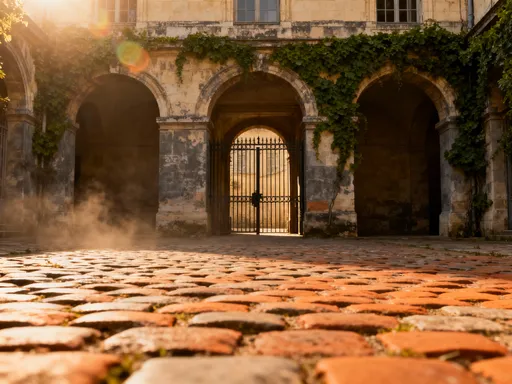
Beyond the main avenues and tourist pathways, Dijon reveals its most intimate charms in its hidden courtyards and private passageways. These quiet spaces, tucked behind unassuming doors and iron gates, offer a glimpse into the city’s aristocratic past and its enduring sense of elegance. Known as *hôtels particuliers*, these former private mansions were built by wealthy families during the 15th to 18th centuries and often feature internal courtyards surrounded by arcaded galleries. While many remain private residences, some are open to the public or accessible through guided tours, offering serene retreats from the bustle of the city.
One of the most beautiful examples is the Cour des Loges, a Renaissance-style courtyard that now houses a luxury hotel and restaurant. Originally built in the 16th century as part of a religious complex, the courtyard features symmetrical arches, stone columns, and a tranquil atmosphere that invites quiet contemplation. Visitors can walk through the arcades, admire the stonework, and imagine the footsteps of monks and nobles who once passed through. Though the space is now part of a commercial establishment, it remains respectful of its heritage, preserving its architectural integrity and historical ambiance.
Another gem is the Maison Millière, a 15th-century mansion that exemplifies the Flamboyant Gothic style. Located just off the Rue de la Liberté, it is easily missed by hurried tourists, but those who pause to look will be rewarded by its intricate façade and delicate stone carvings. The interior courtyard, though not always open to the public, can sometimes be viewed during heritage days or special events. Its asymmetrical design and playful details reflect the creativity of Burgundian craftsmen and the personal tastes of its original owners.
Exploring these hidden spaces requires a slower pace and a bit of curiosity. Many courtyards are accessed through narrow passageways known as *traboules*, similar to those in Lyon. These covered alleys once allowed residents to move between streets without stepping into the open, offering protection from weather and, in some cases, from political unrest. Today, they add an element of mystery and discovery to a walk through Dijon’s old town. Some are marked with small signs, while others remain unannounced, waiting to be found by attentive explorers.
For visitors, the key to enjoying these spaces is respect. Most are still private properties, and signage often requests quiet and discretion. Photography is usually welcome, but flash and loud conversations should be avoided. The beauty of these courtyards lies not just in their architecture, but in their atmosphere—a sense of time suspended, of history preserved in stillness. For the traveler seeking authenticity, these quiet corners offer a more personal connection to Dijon than any crowded landmark ever could.
Museums Beyond Art: Culture in Unexpected Forms
While Dijon’s Musée des Beaux-Arts draws the most attention, the city’s smaller, specialized museums offer equally rich insights into Burgundian life. These institutions focus not on grand masterpieces, but on the everyday—the tools, clothing, customs, and crafts that shaped regional identity. They are quieter, more intimate spaces that invite visitors to step into the shoes of ordinary people from the past. For families, curious travelers, and those interested in social history, these museums provide a grounded, human-centered view of culture.
The Musée de la Vie Bourguignonne is one of the most beloved of these. Housed in the former Cordeliers convent, a 13th-century building with thick stone walls and cloistered halls, the museum recreates 19th-century life in rural and urban Burgundy. Its exhibits include fully furnished rooms—a kitchen with copper pots, a bedroom with a carved wooden bed, a schoolroom with slates and inkwells—each meticulously detailed to reflect the period. Mannequins dressed in traditional costumes stand in domestic and professional settings, from a blacksmith’s forge to a seamstress’s workshop.
What makes this museum special is its attention to sensory detail. The scent of wood smoke lingers in the kitchen exhibit; the sound of a loom echoes in the textile room. Labels are informative but not overwhelming, allowing visitors to absorb the atmosphere at their own pace. Children especially respond to the hands-on elements, such as the opportunity to write with a quill or try on period clothing. For adults, the experience can be nostalgic or thought-provoking, prompting reflections on how much—and how little—daily life has changed.
Another hidden gem is the Musée Rude, dedicated to François Rude, a 19th-century sculptor born in Dijon. Best known for his work on the Arc de Triomphe in Paris, including the iconic *La Marseillaise* relief, Rude began his career in Burgundy, and this small museum honors his roots. Located in his childhood home, it displays original sketches, plaster models, and personal belongings, offering a rare look at an artist’s creative process. The museum also hosts temporary exhibitions on regional sculpture and public art, connecting Rude’s legacy to contemporary practice.
These niche museums may not have the international fame of larger institutions, but they play a vital role in preserving local memory. They tell stories that might otherwise be forgotten—of farmers, artisans, teachers, and families who built the fabric of Burgundian society. For the traveler, they offer a deeper understanding of Dijon not as a postcard image, but as a living community with a layered past. In their quiet way, they affirm that culture is not just in palaces and galleries, but in the details of everyday life.
Sacred Spaces: Churches as Cultural Time Capsules
In Dijon, churches are not merely places of worship—they are living archives of art, architecture, and community life. Each stone, stained glass window, and carved capital tells a story, not only of faith but of the city’s evolution over centuries. These sacred spaces have witnessed coronations, revolutions, and daily acts of devotion, serving as anchors of continuity in a changing world. For the culturally curious traveler, visiting Dijon’s churches offers a profound way to understand the city’s soul.
Notre-Dame de Dijon is perhaps the most striking example. Built in the 13th century in the Burgundian Gothic style, it stands just off the main market square and is instantly recognizable by its row of whimsical, almost cartoonish gargoyles. These grotesques, which include a famous figure known as “le chat botté” (the boot-wearing cat), are not just decorative—they reflect the medieval fascination with the boundary between the sacred and the profane. Inside, the church is more modest, with a single nave and minimal ornamentation, but its simplicity enhances the sense of reverence.
The church’s history is deeply tied to Dijon’s civic identity. It once served as the parish church for the ducal court and hosted important religious ceremonies. Though damaged during the Revolution, it was restored in the 19th century, preserving its essential character. Today, it remains an active place of worship and also hosts cultural events, including organ concerts and choral performances. The acoustics are exceptional, and hearing a Gregorian chant or a Bach prelude in this space is a transcendent experience.
Another significant site is the Abbey of Sainte-Bénigne, originally founded in the 10th century and once one of the most important pilgrimage centers in France. Though much of the original Romanesque abbey was destroyed, the current cathedral, built in the 13th century on the same site, retains its spiritual and architectural significance. The crypt, which houses the relics of Saint Benignus, is one of the largest in France and offers a cool, quiet space for reflection. The cathedral also plays a role in Dijon’s musical life, hosting the annual Festival de Musique de Dijon, which features early music and sacred compositions.
These churches are not frozen in time. They are cared for by dedicated communities, maintained through local fundraising and volunteer efforts. Masses are still held, but so are exhibitions, concerts, and educational programs. This blend of tradition and adaptation ensures that sacred spaces remain relevant, not as relics, but as dynamic parts of cultural life. For visitors, entering one of these churches is not just a tourist act—it’s a moment of connection, a chance to pause and listen to the whispers of history.
Living Culture: Festivals, Music, and Local Craftsmanship
Culture in Dijon is not confined to museums and monuments—it pulses through the city in festivals, markets, and artisan workshops. These living traditions transform the city into a stage where heritage is performed, shared, and renewed. For travelers, timing a visit to coincide with one of these events can elevate a simple trip into a memorable cultural immersion. Whether it’s the taste of a freshly pressed cider, the sound of a jazz trumpet in a medieval square, or the feel of hand-thrown pottery, these experiences engage all the senses.
One of the most charming local festivals is the Ducasse du Chou, or Cabbage Festival, held every October in the nearby town of Bouhans but celebrated with enthusiasm in Dijon. This centuries-old event honors the humble cabbage, a staple of Burgundian cuisine, with parades, cooking contests, and a ceremonial crowning of the “Cabbage Queen.” While playful in tone, the festival reflects a deep respect for agricultural roots and seasonal rhythms. Local chefs prepare dishes like choucroute garnie, and farmers sell fresh produce in the market square. It’s a joyful, family-friendly event that captures the warmth and humor of Burgundian culture.
Music is another vital thread in Dijon’s cultural fabric. Each summer, the city hosts a series of open-air concerts inspired by the Jazz à Vienne festival, featuring local and international artists in genres ranging from jazz and blues to world music. Performances take place in historic settings—the Cour d’Honneur, the Jardin Botanique, the Place du Bareuzai—creating a magical blend of old and new. The atmosphere is relaxed and inclusive, with residents bringing picnic blankets and children dancing in the aisles. These concerts are free or low-cost, reflecting Dijon’s commitment to accessible culture.
Artisan craftsmanship remains strong in Dijon, particularly in the old town, where small boutiques and workshops offer handmade goods. Pottery studios produce functional and decorative pieces using traditional techniques; textile artists weave scarves and table linens with Burgundian motifs; and, of course, mustard makers continue to refine their craft. The most famous mustard brand, Maille, has a boutique in the city center, but smaller producers offer unique blends with honey, herbs, or wine. Visitors can tour workshops, meet the makers, and take home not just souvenirs, but stories.
These living traditions remind us that culture is not something to be observed from a distance, but something to be participated in. Whether joining a festival parade, attending a concert, or buying a jar of locally made mustard, travelers become part of the cultural flow. For the 30- to 55-year-old woman who values authenticity, connection, and meaningful experiences, Dijon offers a rare opportunity: to slow down, engage deeply, and leave with more than just photos—with memories that feel personal and lasting.
Why Dijon Stands Out: A Cultural Alternative to Overcrowded Cities
In an era of overtourism, where iconic cities like Paris, Venice, and Barcelona struggle under the weight of crowds, Dijon emerges as a refreshing alternative. It offers the richness of French culture without the chaos, the depth of history without the long lines, and the beauty of architecture without the selfie sticks. For travelers seeking a more intimate, reflective experience, Dijon provides a model of how to travel with intention and respect. Its manageable size, walkable streets, and welcoming atmosphere make it ideal for those who value connection over checklist tourism.
One of Dijon’s greatest advantages is its accessibility. Located just 1.5 hours from Paris by high-speed train, it is easy to reach yet feels worlds away in pace and spirit. The city is compact enough to explore on foot, with most cultural sites within a 20-minute walk of the center. Public transportation is reliable, and bike rentals offer a pleasant way to see the outskirts, including the Parc de la Colombière and the Canal de Bourgogne. For families or those traveling with limited mobility, the flat terrain and well-maintained sidewalks make navigation comfortable.
The best times to visit are spring (April to June) and early autumn (September to October), when the weather is mild, the light is golden, and the tourist numbers are low. Summer brings festivals and longer days, but also more visitors, particularly in July and August. Winter is quiet and cozy, with the Christmas market adding charm to the historic center. Regardless of season, Dijon’s cultural offerings remain active, from museum exhibitions to seasonal markets and concerts.
When visiting, a few etiquette tips enhance the experience. Greetings matter—beginning interactions with a polite “Bonjour” goes a long way. Many shops and museums close for lunch, typically between 12:30 and 2:00 p.m., so planning around these hours is wise. Tipping is not expected in museums or shops, but a small tip is appreciated in cafés and restaurants. Most importantly, travelers are encouraged to move slowly, observe details, and engage with locals when possible. A smile, a question about a shopkeeper’s craft, or a compliment on a dish can open doors to genuine connection.
Dijon stands as a testament to the power of understated culture. It does not shout; it whispers. It does not dazzle; it reveals. In its quiet courtyards, its living traditions, and its deeply rooted sense of place, it offers a model of travel that is not about accumulation, but about presence. For the woman who seeks meaning in her journeys, who values authenticity and depth, Dijon is not just a destination—it is an invitation to remember why we travel in the first place: to see, to feel, and to belong, even if just for a moment.