What I Wish I Knew Before My Career Leap: Investment Skills That Actually Help
Changing careers isn’t just about resumes and interviews—it’s a financial rollercoaster. I learned this the hard way, juggling uncertainty while trying to protect my savings. Back then, I didn’t know how to invest with purpose or manage risk smartly. Over time, I picked up real skills that kept me stable and even growing. This is what I’ve tested, adjusted, and truly rely on—practical investment know-how for anyone preparing for a career shift. The journey wasn’t smooth, but the financial lessons I gained made all the difference. It’s not about making bold bets or chasing market highs. It’s about building a foundation that supports you when income slows, confidence wavers, and the future feels unclear. This is the roadmap I wish I had.
The Hidden Financial Risk of Career Changes
When someone decides to switch careers, the immediate focus tends to fall on updating a resume, networking, or gaining new certifications. These are important, but they only address half the challenge. The other half—often overlooked until it’s too late—involves the financial instability that comes with leaving a steady paycheck behind. A career transition can create gaps in income that last months, not weeks. For many, this means relying on emergency savings, dipping into retirement accounts, or even taking on debt just to cover basic living expenses. Without a financial buffer, even a well-planned career move can turn into a financial setback.
One of the most underestimated risks is the erosion of financial confidence. When income stops, even temporarily, people often make emotionally driven decisions. They might sell investments at a loss during a market dip, pull money out of long-term accounts with penalties, or avoid investing altogether out of fear. These reactions, while understandable, can damage long-term financial health. For example, withdrawing from a retirement account not only triggers taxes and early withdrawal fees but also disrupts decades of compounding growth. The cost isn’t just immediate—it echoes into the future.
Another hidden cost is the loss of employer-sponsored benefits. Health insurance, retirement matching, paid time off, and even commuter benefits disappear when you leave a job. Replacing these on your own can be expensive and complicated. Health insurance through the marketplace, for instance, may come with higher premiums and deductibles. Retirement contributions lose the boost of employer matching, effectively reducing your investment growth rate. These changes don’t show up on a paycheck, but they impact your net financial position just the same.
Emotional spending is another silent threat during career transitions. Uncertainty breeds stress, and stress often leads to small indulgences that add up—eating out more, delaying bill payments, or making impulsive online purchases. What feels like harmless comfort can quietly drain a savings account. Recognizing these patterns early allows for better planning. That’s why it’s essential to treat a career change not just as a professional milestone, but as a full financial event. Viewing it through this lens helps you prepare not only for the job search but for the months of financial adjustment that follow.
Why Investment Skills Matter More Than Savings Alone
Savings are a critical safety net, but they are not a long-term solution. Money sitting in a traditional savings account earns minimal interest—often less than the rate of inflation. This means that over time, the purchasing power of your savings actually decreases. For someone in the middle of a career change, this slow erosion can be especially damaging. You may have worked hard to build a cushion, only to see its real value shrink while you’re not earning a regular income. That’s where investment skills become indispensable. Unlike passive savings, investing allows your money to work for you, even when your income isn’t.
Understanding basic investment principles can transform how you manage money during uncertain times. Take compounding, for example. When returns are reinvested, they generate their own returns over time. This effect may seem small in the short term, but over years, it can significantly increase the value of your portfolio. Even modest, consistent investments made during a transition period can grow into meaningful assets. The key is starting with a clear understanding of your goals and risk tolerance. Investing isn’t about getting rich quickly—it’s about preserving and growing wealth in a disciplined way.
Another advantage of investing over pure saving is the ability to outpace inflation. Inflation averages around 2-3% annually, meaning prices rise steadily over time. If your money isn’t earning at least that much, you’re effectively losing ground. Low-risk investments like bond funds, dividend-paying stocks, or balanced index funds have historically returned more than inflation, helping maintain your financial stability. For career changers, this means that even a conservative investment strategy can protect the value of their savings while they rebuild income.
Investment literacy also empowers better decision-making. When you understand how different assets behave—such as stocks, bonds, real estate, or cash equivalents—you can make informed choices rather than reacting out of fear. For instance, knowing that stock markets tend to recover over time can help you avoid panic selling during a downturn. Similarly, understanding the role of diversification can prevent overexposure to any single investment. These skills don’t require a finance degree. They come from learning, practicing, and adjusting based on real-life experience. For someone navigating a career shift, that knowledge becomes a quiet source of strength.
Building a Stability-First Investment Mindset
When facing a career change, the priority shouldn’t be maximizing returns—it should be minimizing risk while maintaining growth potential. This requires a stability-first mindset, one that values capital preservation and emotional resilience over market excitement. Many people associate investing with high-stakes trading or dramatic stock swings, but for most individuals, especially those in transition, the goal is steady progress, not sudden windfalls. A stability-first approach means choosing investments that align with your personal circumstances, not market trends.
Start by assessing your risk tolerance—how much volatility you can handle emotionally and financially. If a 10% drop in your portfolio would cause sleepless nights, then high-growth stocks may not be the right fit, no matter how promising they seem. Instead, a balanced fund or a mix of bonds and dividend-paying stocks might offer more peace of mind. Risk tolerance isn’t fixed; it changes with life circumstances. A career shift increases financial pressure, which often lowers your ability to tolerate risk. Recognizing this shift is the first step in building a realistic investment plan.
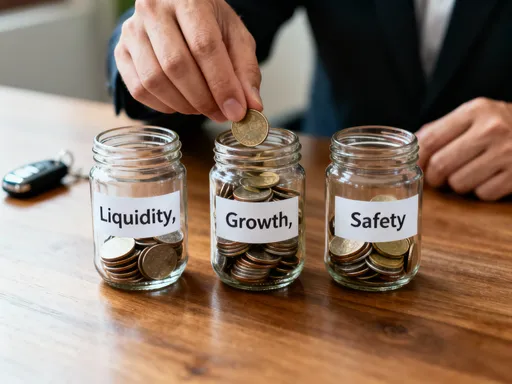
Time horizon is another crucial factor. If you expect to return to steady income within a year or two, your investment choices should reflect that shorter timeline. Long-term assets like individual stocks or real estate may not be appropriate if you need access to funds soon. Instead, focus on liquidity and safety—options like short-term bond funds, money market accounts, or target-date funds with near-term maturity dates. These instruments may offer lower returns, but they reduce the chance of losing money when you need it most.
Emotional triggers also play a big role in investment decisions. During a career transition, stress can amplify fear and impatience. You might feel tempted to chase a “hot” stock tip or pull out of the market after bad news. A stability-first mindset helps you pause and reflect before acting. It encourages routines like scheduled portfolio reviews instead of constant checking. It promotes rules-based decisions—such as rebalancing once a year—over emotional reactions. By designing a strategy that accounts for your human tendencies, you create a financial plan that’s not just smart, but sustainable.
Core Investment Skills for Transition Periods
During a career change, your financial strategy should shift from growth-focused to protection-focused, without abandoning the potential for gains. Three core skills make this balance possible: asset allocation, diversification, and cost control. These are not complex theories—they are practical tools that anyone can learn and apply. Together, they form the backbone of a resilient investment approach tailored to periods of uncertainty.
Asset allocation is the practice of dividing your investments among different categories—such as stocks, bonds, and cash—based on your goals, risk tolerance, and timeline. For someone in a career transition, a more conservative allocation might make sense. Instead of an 80/20 stock-to-bond split, you might move to 50/50 or even 40/60. This reduces exposure to market swings while still allowing for modest growth. The exact mix depends on your personal situation, but the principle remains: align your portfolio with your current needs, not past habits or future dreams.
Diversification takes asset allocation a step further by spreading your money within each category. Instead of putting all your stock investments into one company or sector, you spread them across industries, regions, and company sizes. This reduces the impact of any single failure. For example, if the tech sector declines, your healthcare or consumer goods holdings might hold steady. Index funds and exchange-traded funds (ETFs) are excellent tools for diversification because they offer instant exposure to hundreds or thousands of companies with a single purchase. They are also low-cost and easy to manage, making them ideal for career changers who may not have time for active investing.
Cost control is often overlooked but just as important. Investment fees—such as mutual fund expense ratios, advisory fees, or trading commissions—can quietly eat into your returns over time. A fund with a 1% annual fee may seem small, but over 20 years, it can reduce your total returns by tens of thousands of dollars. Choosing low-cost options, such as index funds with expense ratios below 0.20%, helps preserve more of your gains. Many online brokerages now offer commission-free trading and no-fee mutual funds, making it easier than ever to keep costs low. Being mindful of fees isn’t about being cheap—it’s about being efficient with your money.
How to Invest Without Constant Monitoring
One of the biggest challenges for career changers is time. Job searching, skill-building, and networking take up most of the day, leaving little energy for tracking stock prices or analyzing market trends. The good news is that constant monitoring isn’t necessary—and often counterproductive. A better approach is to build a “set-and-forget” investment system that works automatically, reduces stress, and avoids emotional decision-making.
Dollar-cost averaging is one of the most effective hands-off strategies. Instead of trying to time the market, you invest a fixed amount at regular intervals—say, $200 every month—regardless of market conditions. When prices are high, you buy fewer shares; when prices are low, you buy more. Over time, this smooths out the average cost of your investments and reduces the risk of buying at a peak. It’s a simple, disciplined method that removes emotion from the process and builds wealth steadily.
Target-date funds are another excellent option for passive investors. These funds automatically adjust their asset allocation based on a specific year—usually your expected retirement date. For example, a 2040 target-date fund will start with a higher stock allocation and gradually shift to more bonds as 2040 approaches. Even if you’re not retiring soon, these funds can be adapted for shorter horizons. A fund targeting the early 2030s might offer a balanced mix suitable for a career transition lasting a few years. The convenience lies in the automation—once you choose the fund, it manages itself.
Robo-advisors take this a step further by offering fully automated portfolio management. These digital platforms ask you a series of questions about your goals, risk tolerance, and timeline, then build and manage a diversified portfolio for you. They handle rebalancing, tax-loss harvesting, and investment selection with minimal input. Most charge low fees—typically 0.25% to 0.50% per year—and require no minimum investment, making them accessible and efficient. For someone juggling a career change, a robo-advisor can provide peace of mind without demanding time or expertise.
Avoiding Common Financial Traps During Career Shifts
Transitions bring uncertainty, and uncertainty breeds financial mistakes. Some of the most common errors aren’t due to lack of knowledge—they stem from emotional pressure. Panic selling during a market downturn is a classic example. When the news is grim and your income is uncertain, it’s natural to want to “play it safe” by moving everything to cash. But selling low locks in losses and means you miss the recovery when markets rebound. Historically, markets have always recovered from downturns, but only those who stayed invested benefited. Discipline, not timing, is what protects wealth.
Another trap is chasing trends. During stressful times, people often look for quick fixes—whether it’s a “can’t-miss” stock, a cryptocurrency surge, or a hot new investment app. These opportunities are often marketed as easy wins, but they carry high risk. For someone already facing financial pressure, a loss in a speculative investment can be devastating. Instead of chasing returns, focus on consistency. Slow, steady growth may not be exciting, but it’s reliable. The goal isn’t to get rich overnight—it’s to avoid losing what you’ve worked so hard to build.
Borrowing from retirement accounts is another dangerous shortcut. While some plans allow loans, they come with risks. If you don’t repay on time, the amount is treated as a withdrawal, subject to taxes and penalties. Plus, you lose out on investment growth during the time the money is out. Even worse, if you leave your job, the loan may become due immediately. It’s better to explore other options first—such as a side income stream, budget adjustments, or a low-interest personal loan—before tapping into retirement savings.
Finally, inaction is a trap in itself. Some people avoid investing altogether during a career change, thinking it’s too risky. But staying in cash is also a decision—one that carries the risk of inflation and missed opportunities. The goal isn’t perfection. It’s progress. Even small, regular investments in a low-cost fund can build momentum over time. The key is to act with intention, not fear.
Creating Your Personal Investment Roadmap
The final step in preparing for a career change is creating a personalized investment roadmap. This isn’t a rigid plan set in stone—it’s a flexible guide that evolves as your situation changes. It starts with clarity: defining your financial goals, timeline, and risk comfort level. Are you planning a short transition of six to twelve months? Or are you retraining for a new field with a longer runway? Your answers shape your strategy.
Next, build a portfolio that matches your needs. If you need access to funds soon, prioritize liquidity and safety. If you have a longer horizon, you can include more growth-oriented assets. Use the principles of asset allocation, diversification, and cost control to structure your investments. Choose low-fee index funds or target-date funds to simplify management. Set up automatic contributions through dollar-cost averaging to maintain consistency. Consider a robo-advisor if you want professional management without the time commitment.
Schedule regular check-ins—once every three or six months—to review your progress. Look at your portfolio balance, assess any life changes, and rebalance if needed. Avoid the urge to make frequent changes based on market noise. Calm, periodic reviews are more effective than constant tinkering. Use this time to reflect on your career progress too. Are you closer to your goal? Do you need to adjust your budget or timeline? Your financial and professional plans should move together.
Remember, smart investing during a career change isn’t about maximizing returns. It’s about staying resilient, avoiding costly mistakes, and maintaining control. It’s about knowing that even when income is uncertain, your money is working in your favor. The skills you develop—patience, discipline, and informed decision-making—will serve you long after the transition ends. This is not just a financial strategy. It’s a foundation for confidence, stability, and long-term success.